 Press.disney.co.uk

Secrets of the Whales Episode 103: Beluga Kingdom
Beluga whales share their northern kingdom in Greenland with a mysterious cousin: the narwhal. Both species begin a thrilling adventure through a maze of sea ice to their ancestral summering grounds in the Canadian Arctic. Even though they follow ancient migration routes, trouble lurks around every corner. From freezing environments to fierce predators, only their shared knowledge and power of family can get them through safely.
To download high-res images, click on the image and then use the Download button in the overlay that appears.
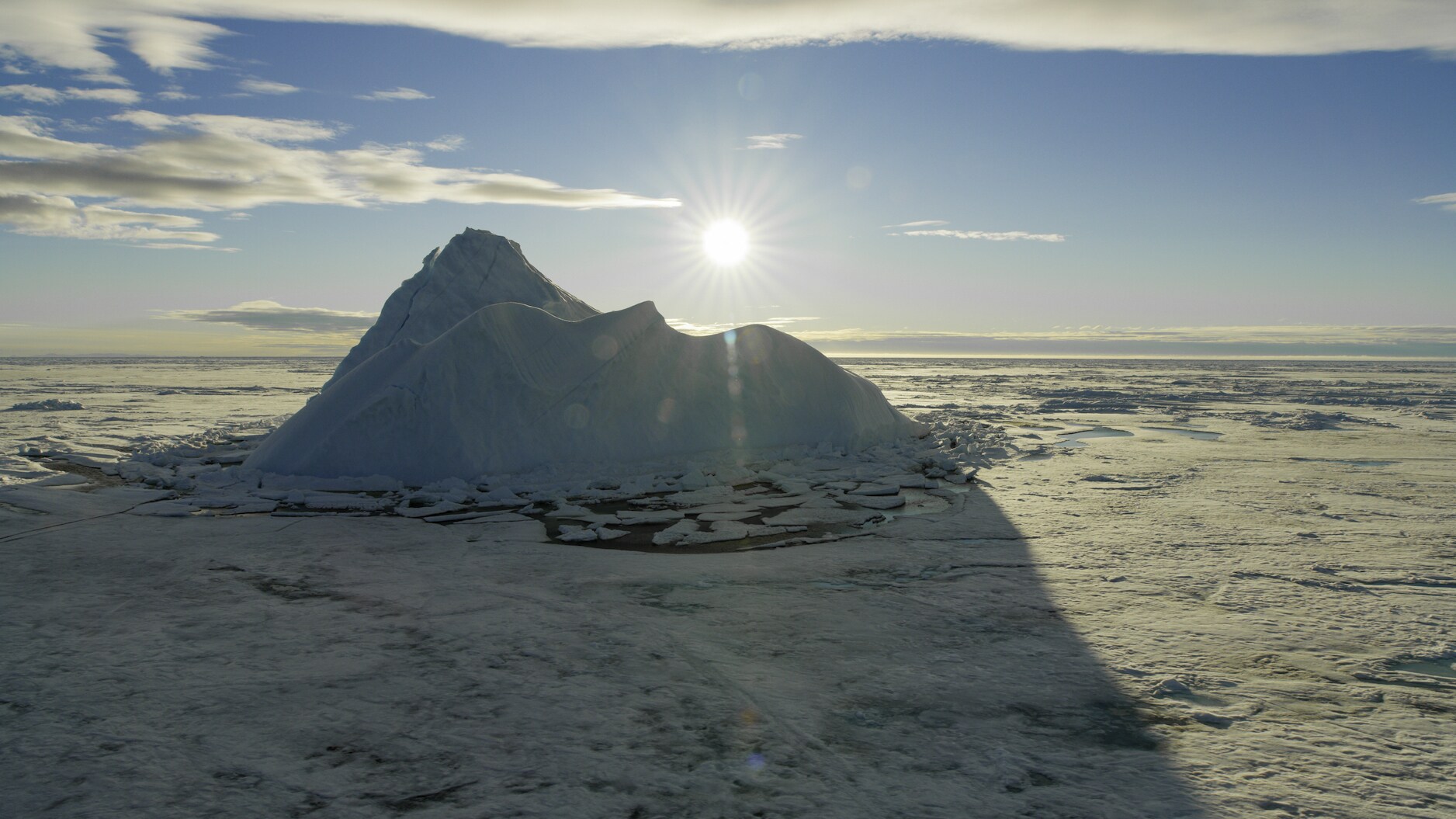
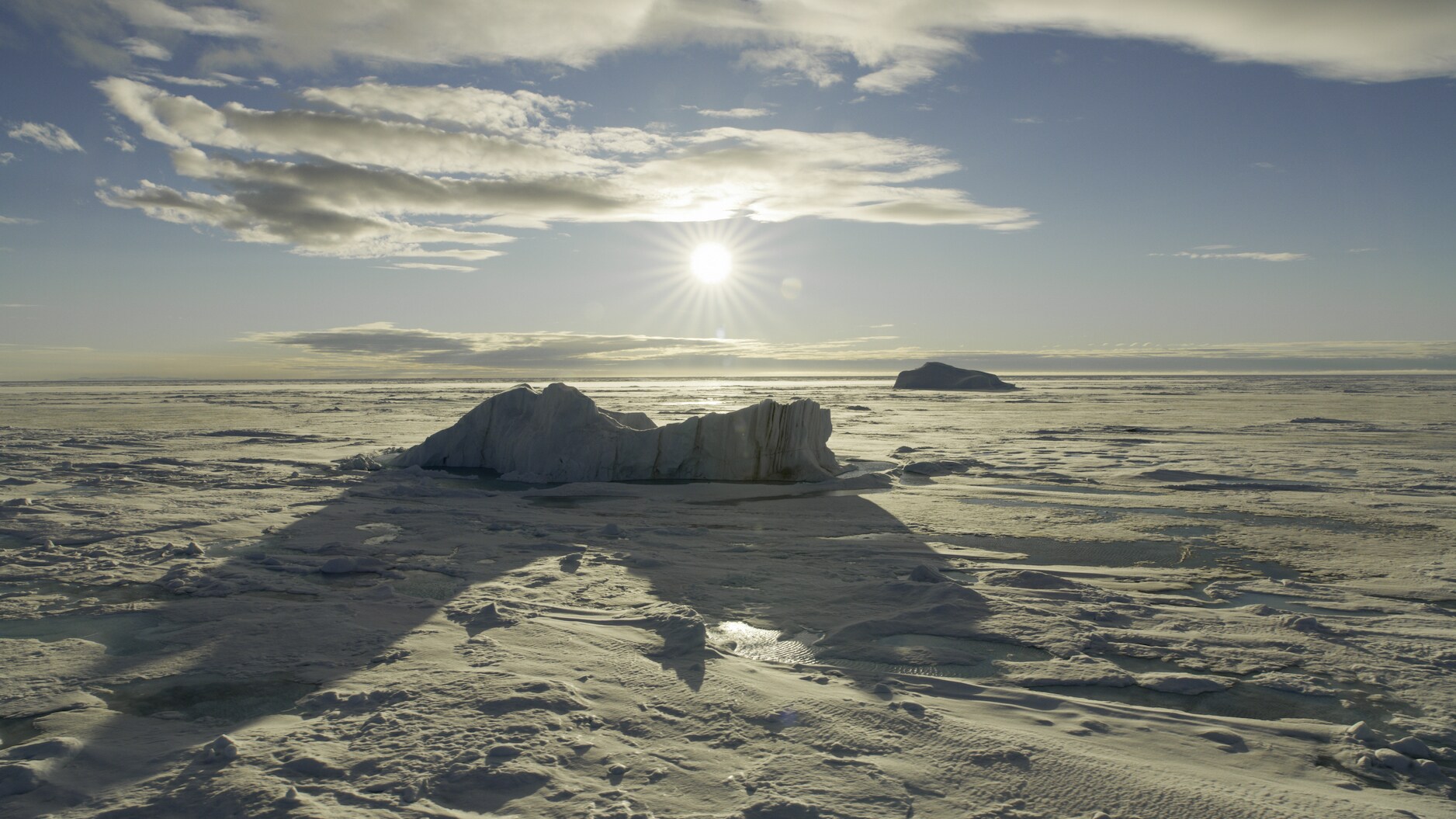
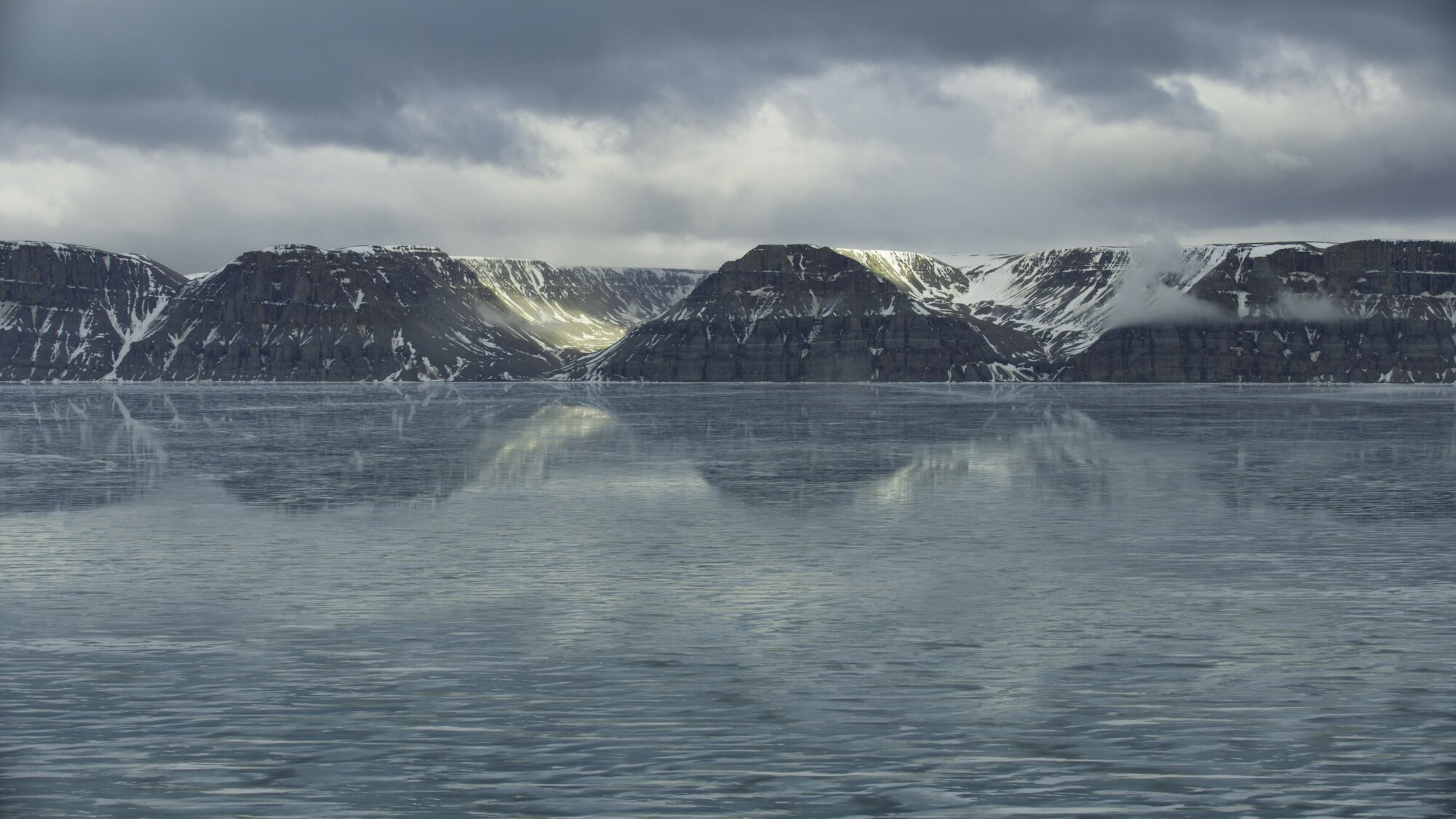
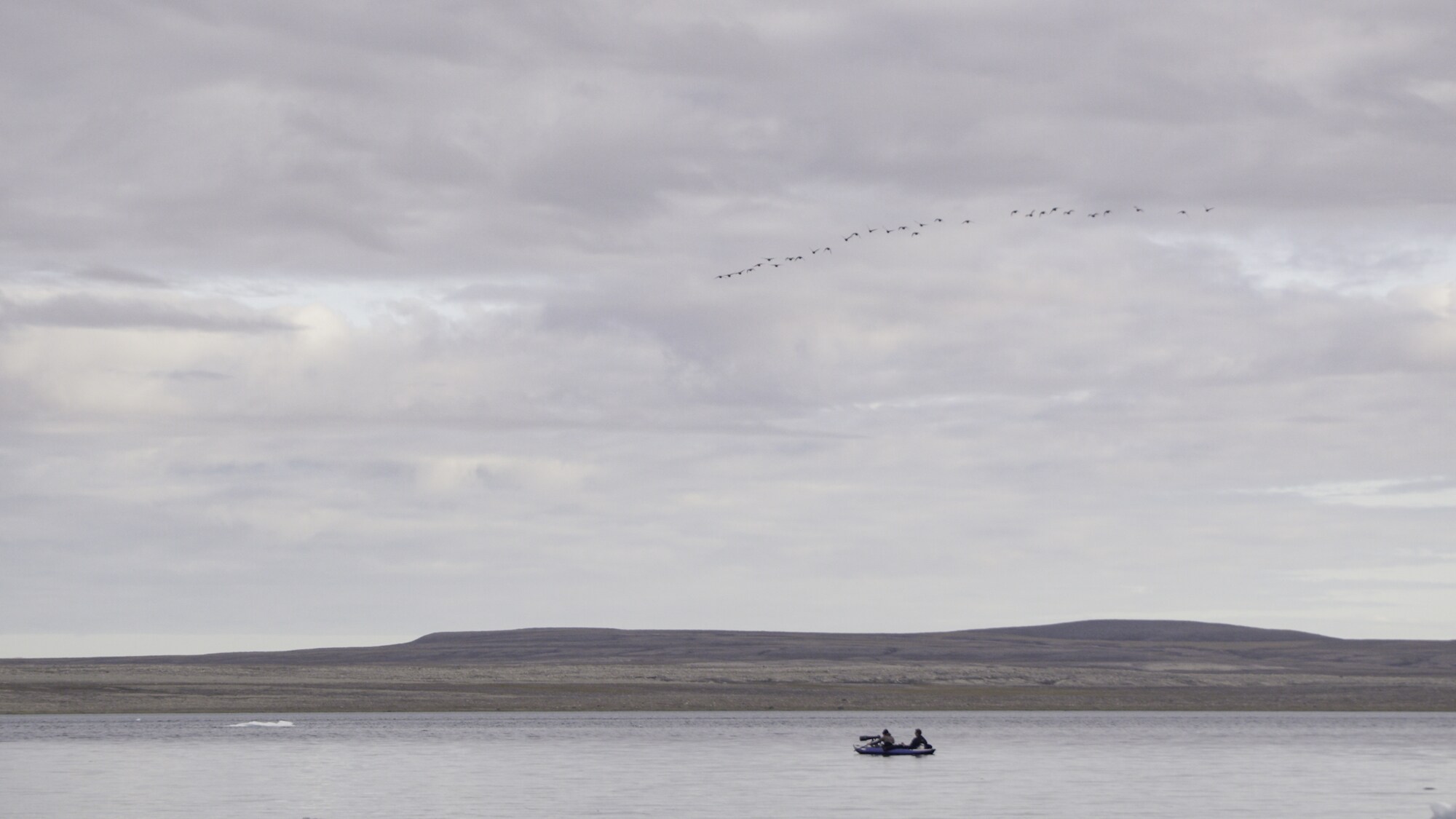
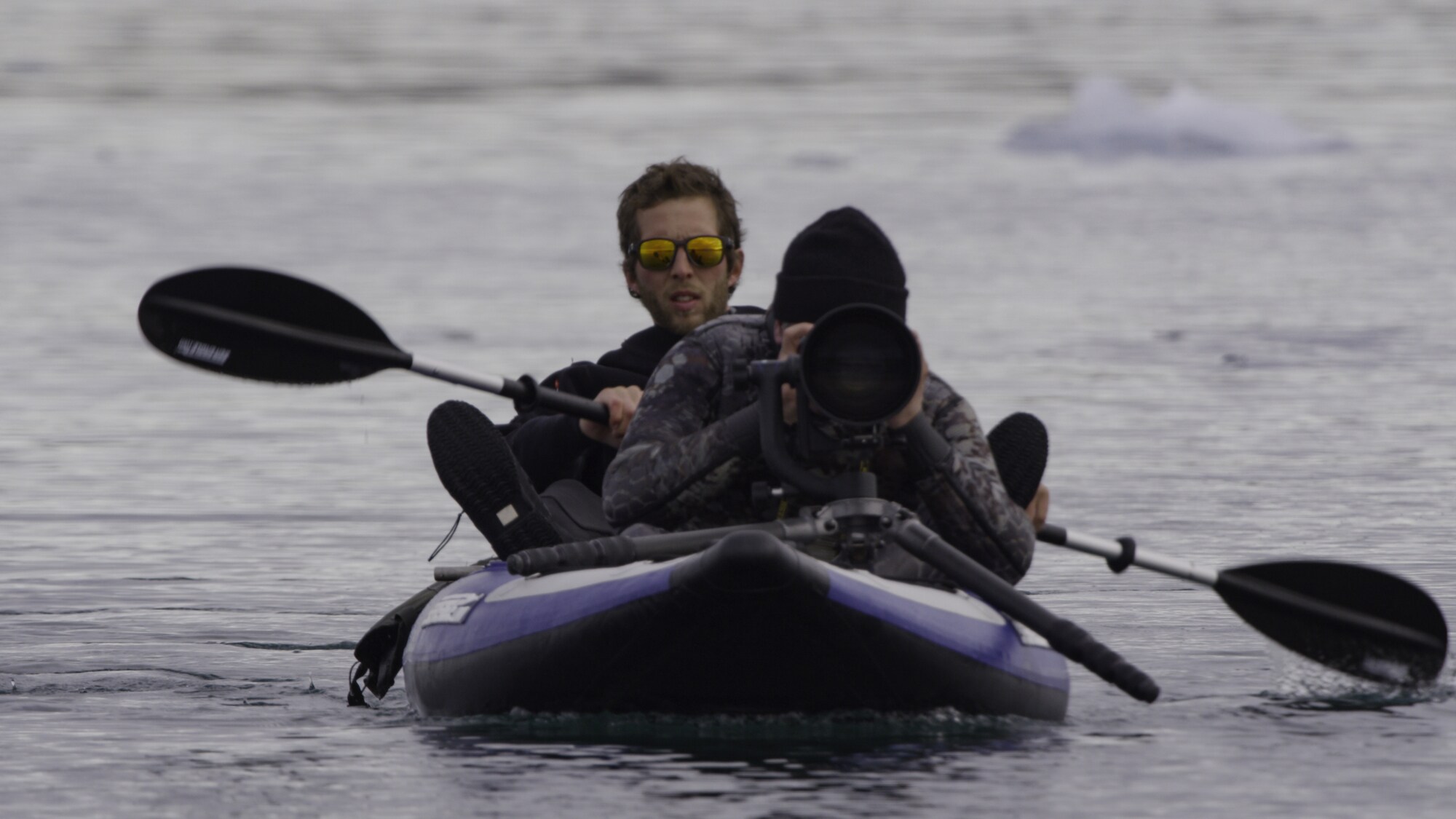
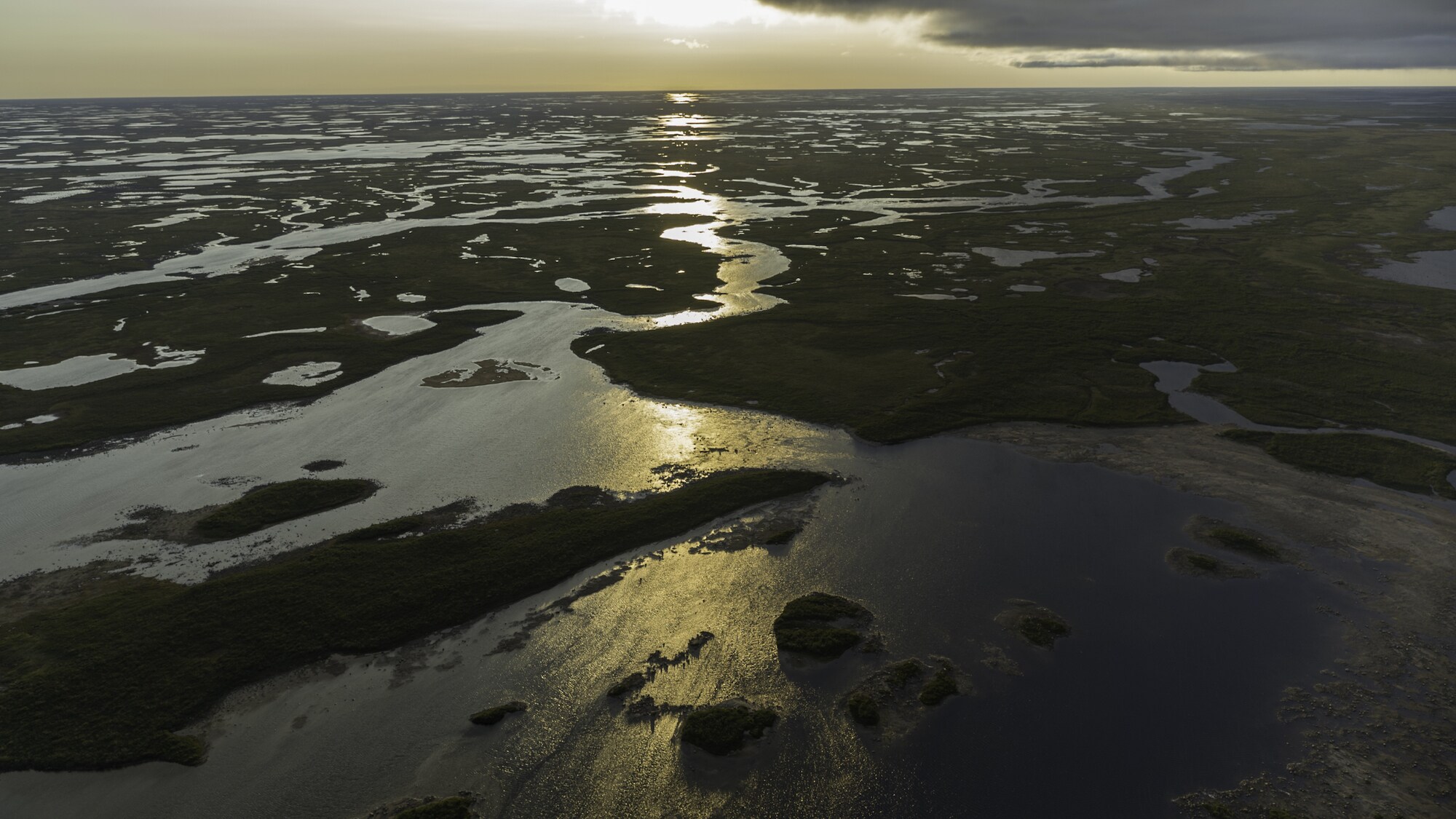
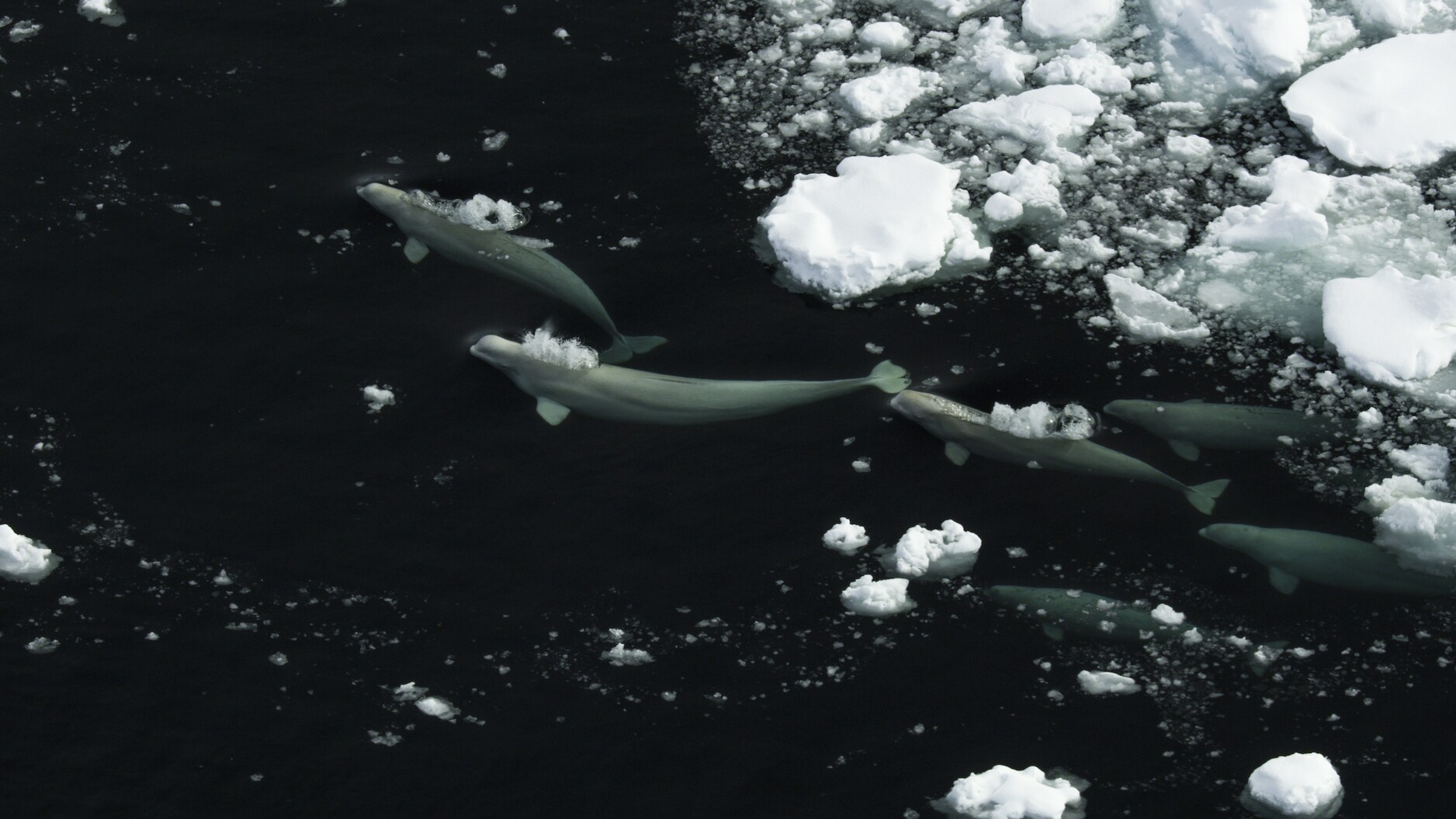

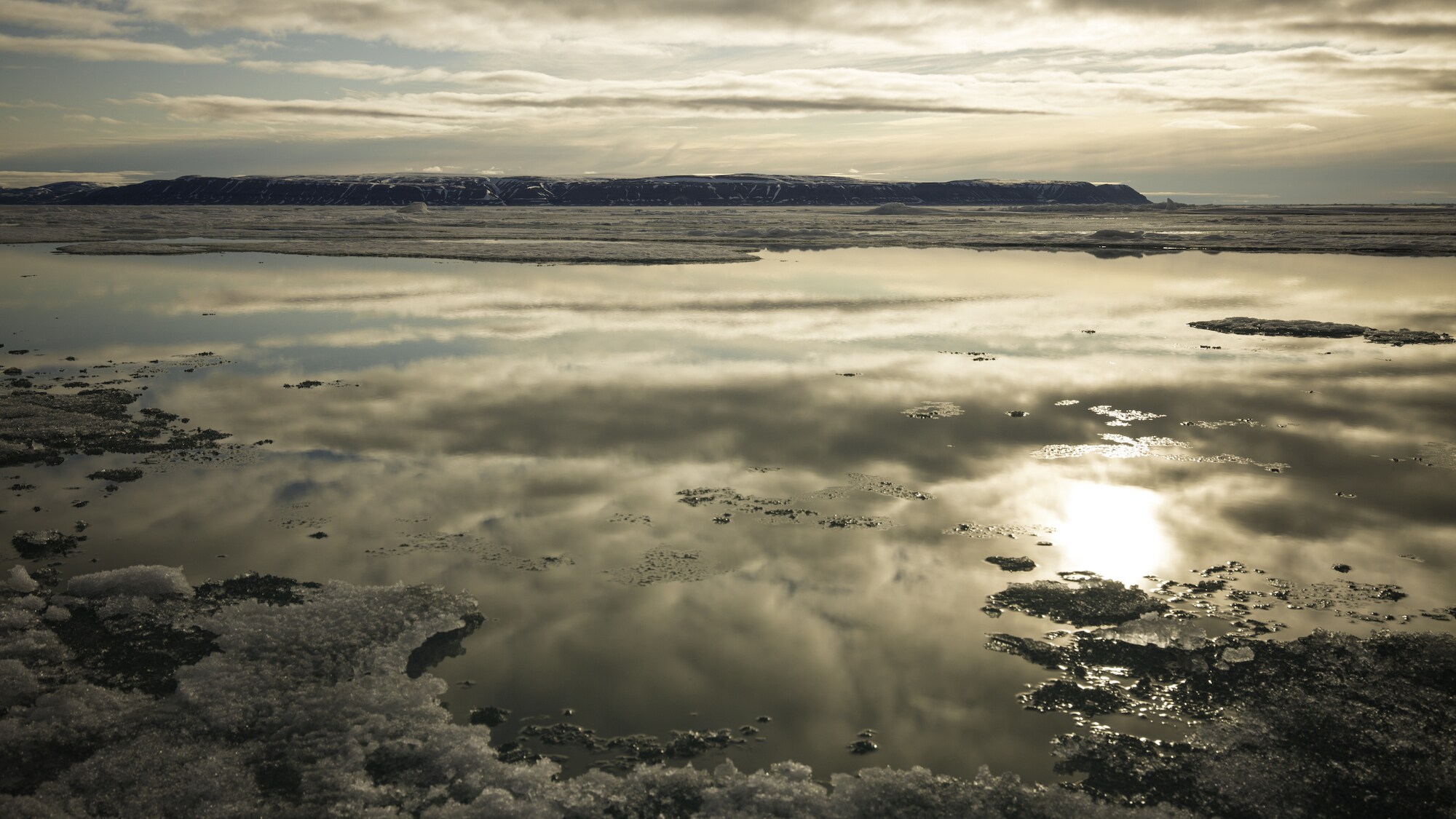
The sun sits just above the horizon in the arctic for 24 hours each summer. (National Geographic for Disney+/Thomas Miller)
1 of 36The sun sits just above the horizon in the arctic for 24 hours each summer. (National Geographic for Disney+/Thomas Miller)
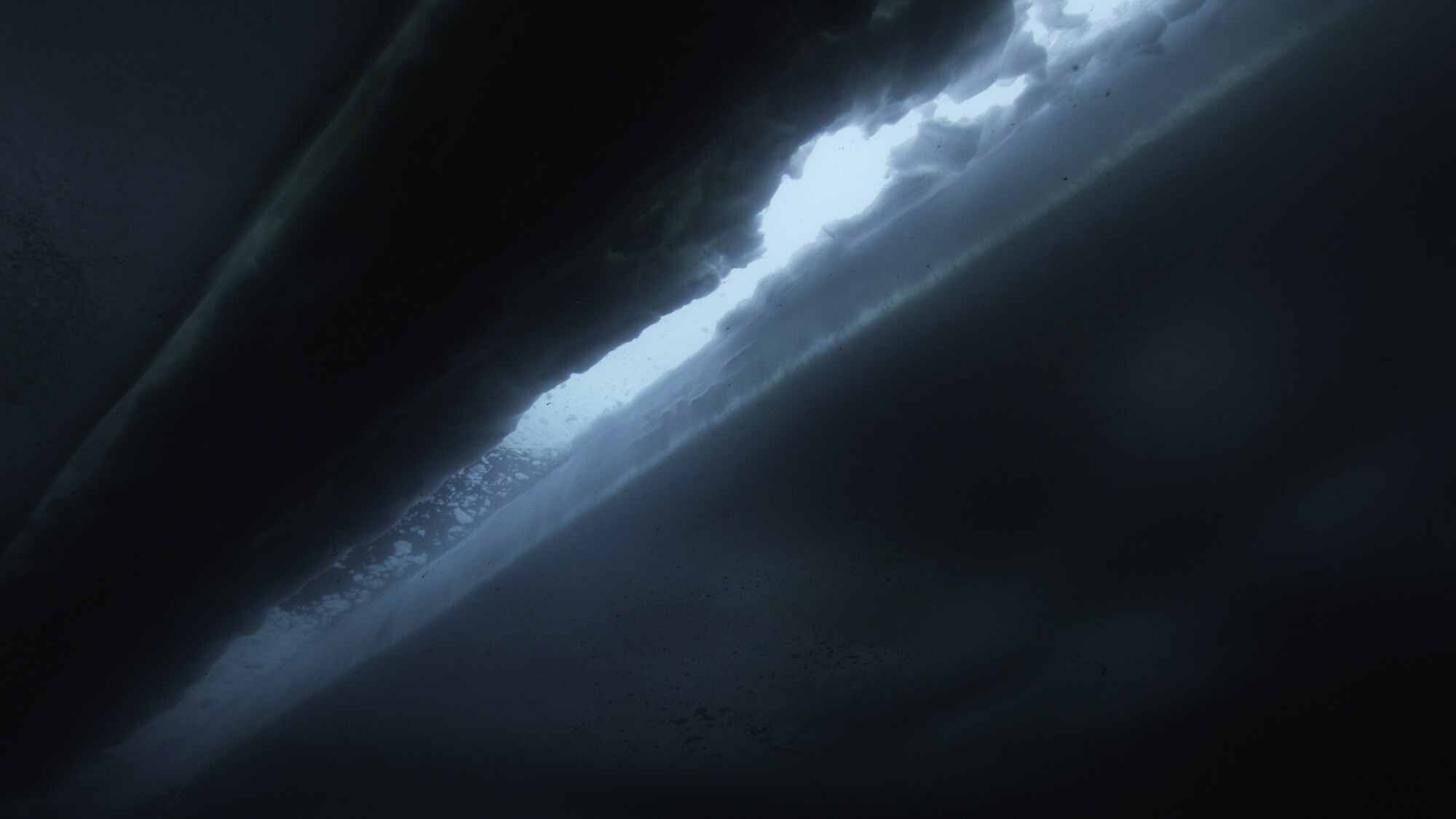
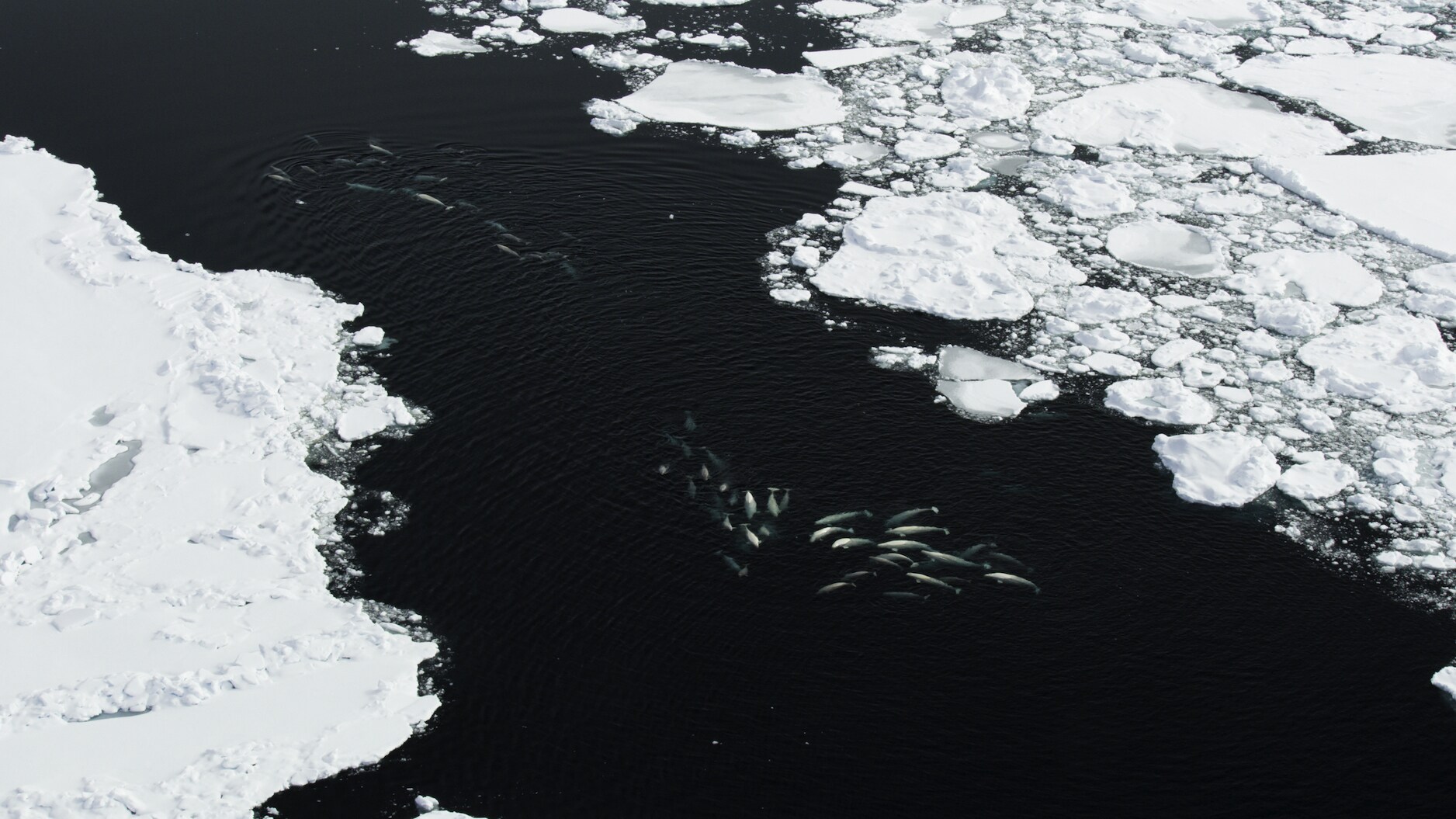
2 of 36Leads are narrow, linear cracks in the ice that form when giant floes move parallel to each other. They become whale highways until the ice completely breaks apart. (National Geographic for Disney+/Ernie Kovacs)
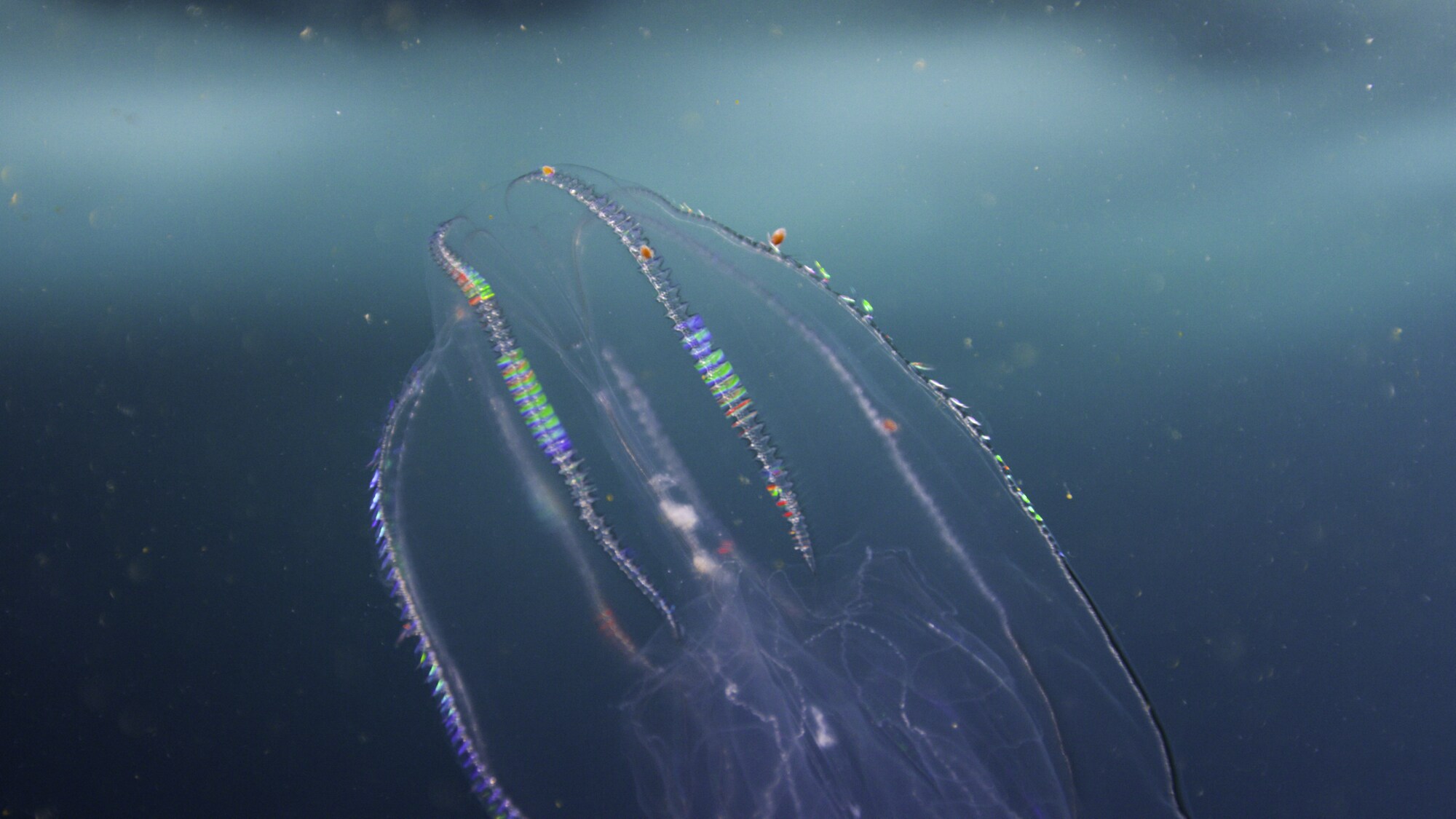
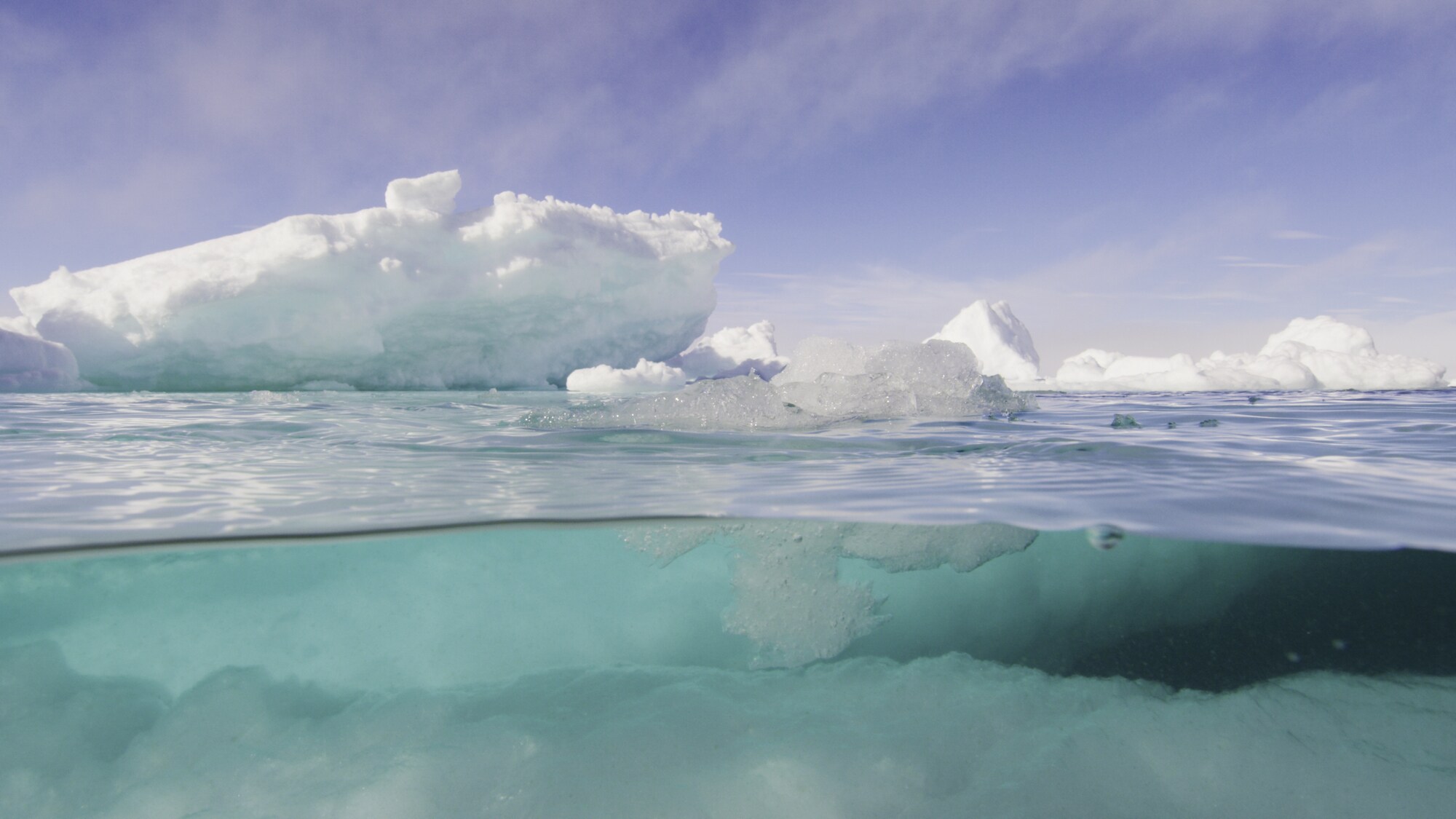
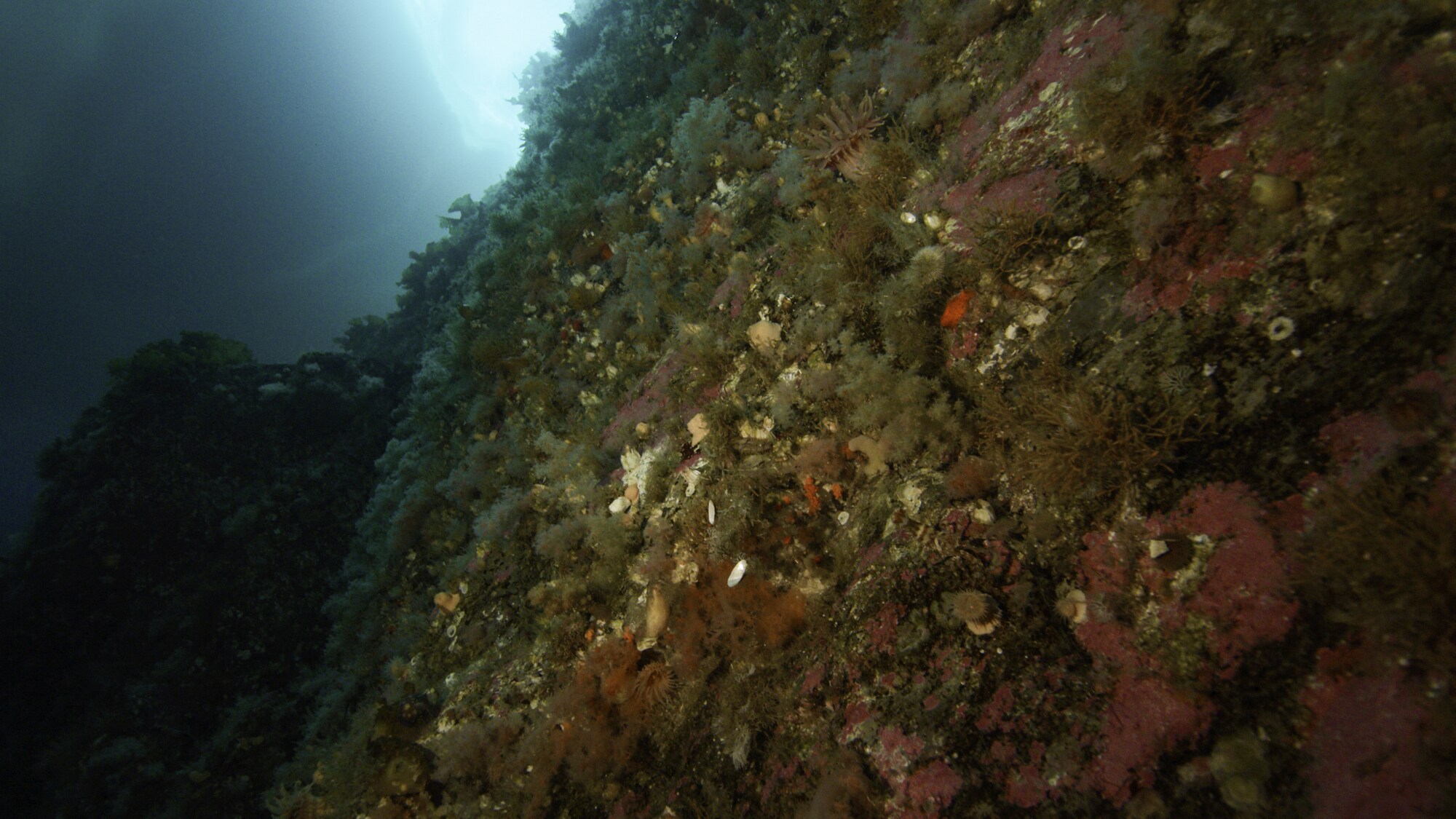
3 of 36The narwhal's world may look barren from above, but the waters underneath the Arctic ice glow with life - corals, anemones, fish, and comb jellies. (National Geographic for Disney+/Ernie Kovacs)
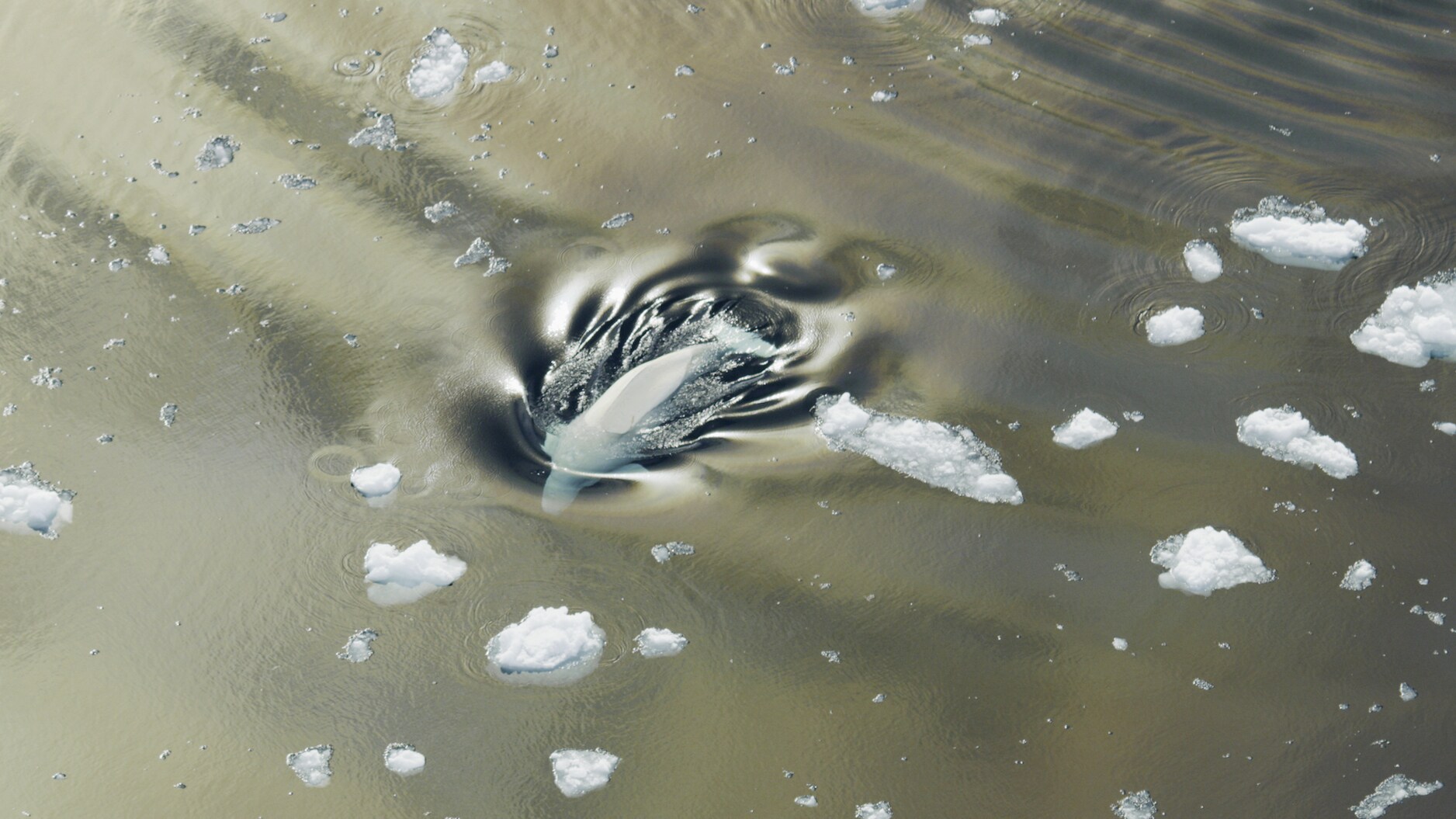
4 of 36A beluga whale breaches to take a breath underneath the Arctic summer's 24-hour sun. (National Geographic for Disney+/Thomas Miller)
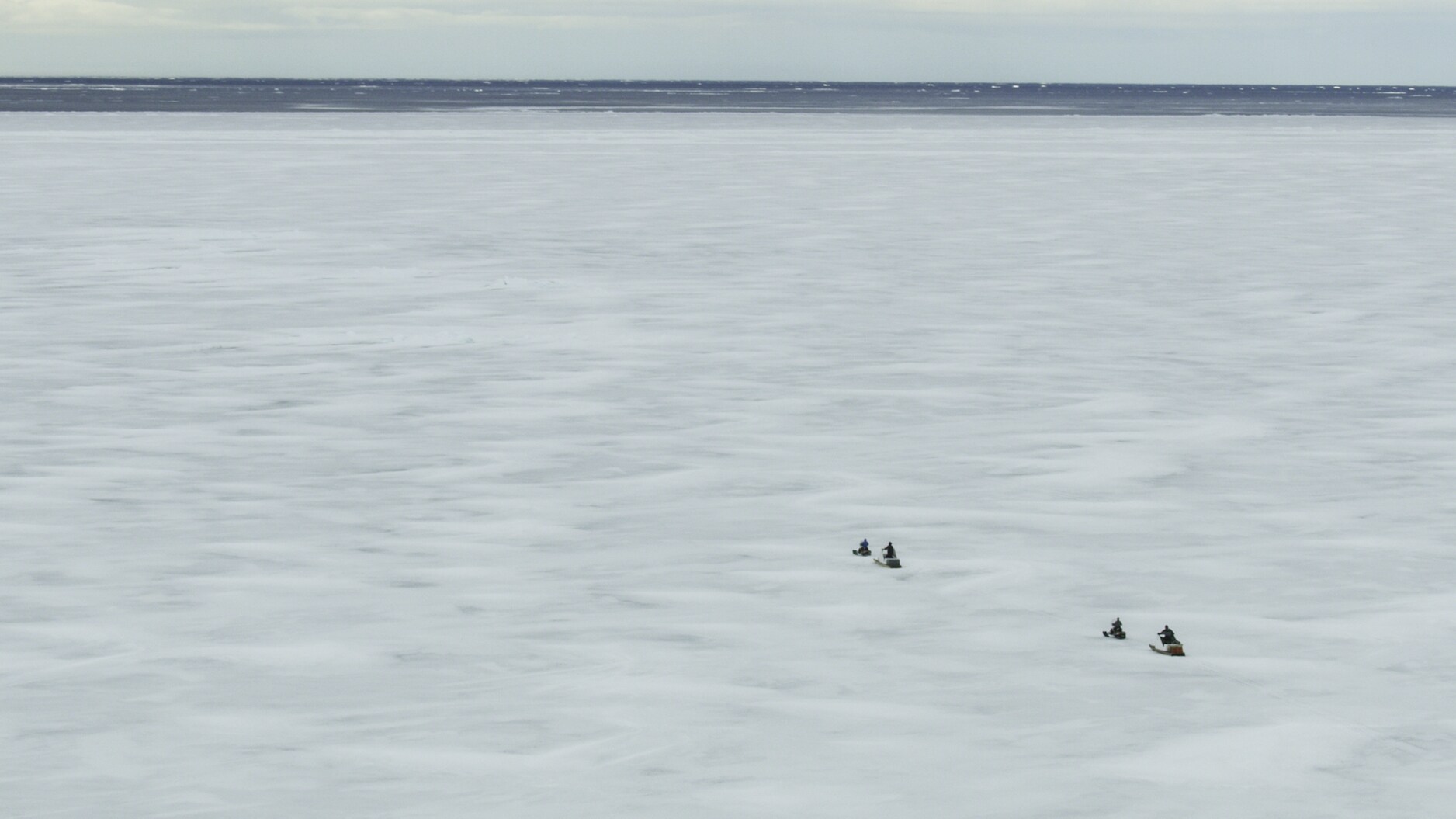
5 of 36The Planet of the Whales film crew approaches the edge of the sea ice in the high Arctic. (National Geographic for Disney+/Thomas Miller)
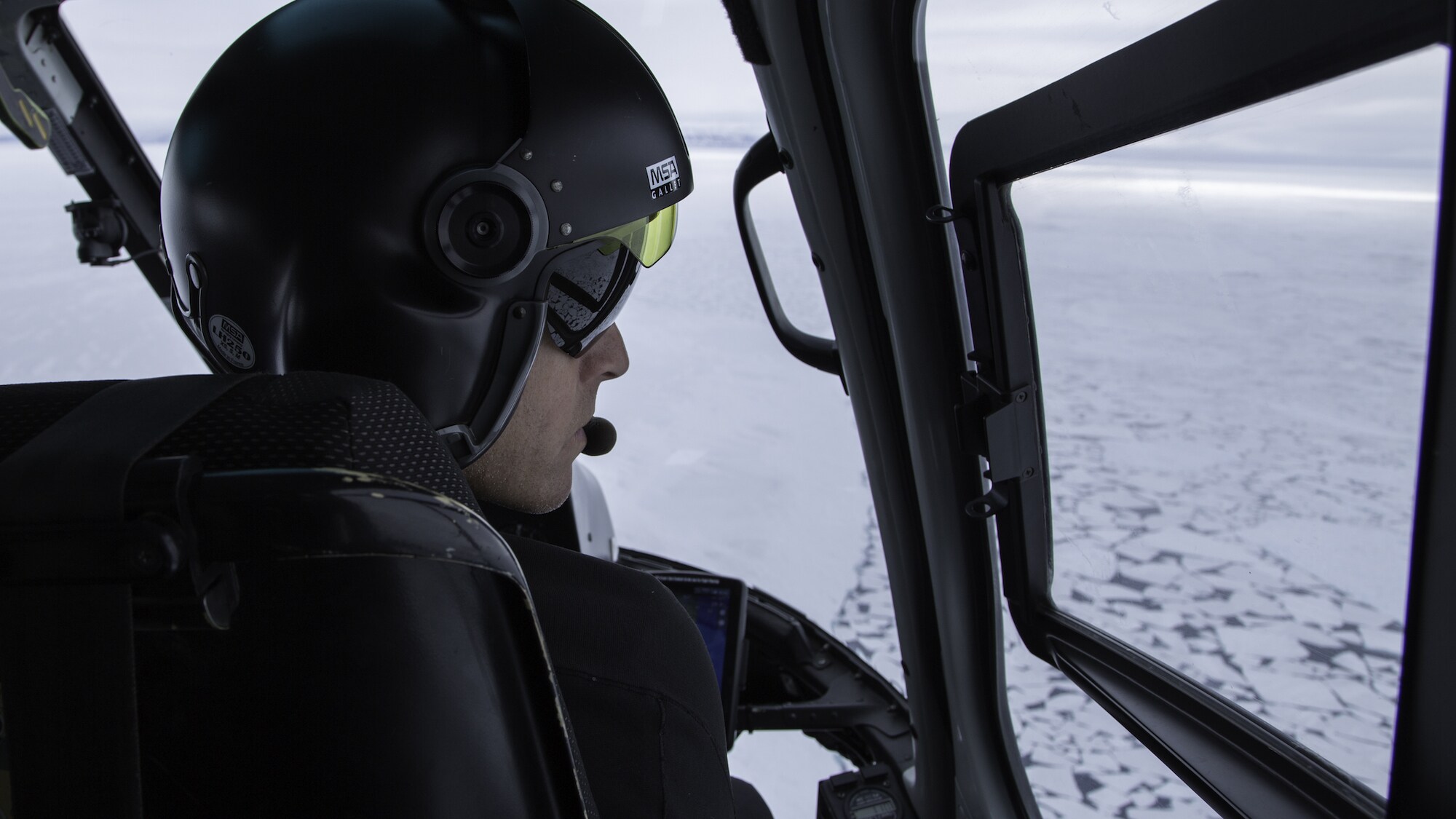
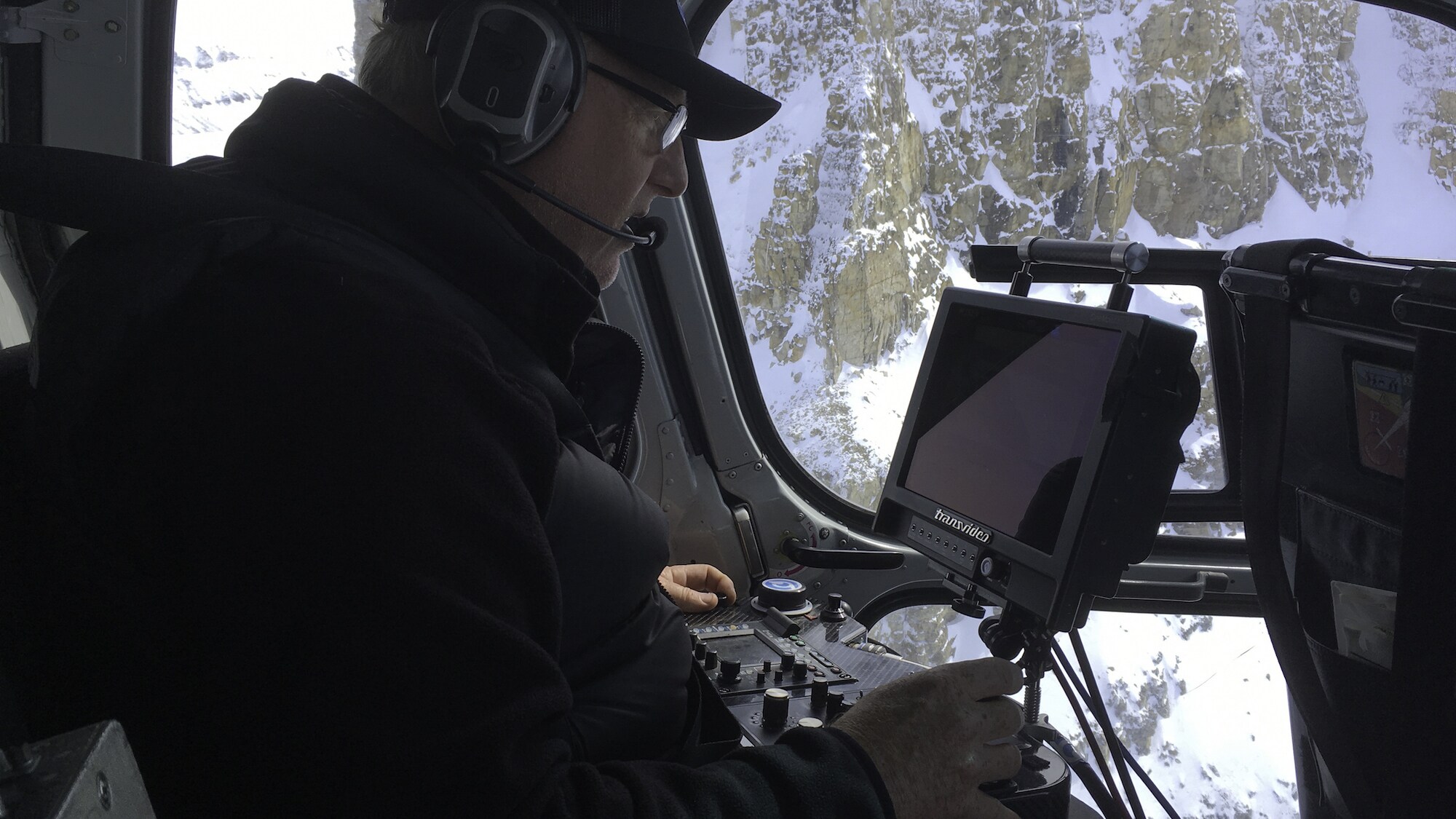
6 of 36Pilot Paul Guarducci flies over broken sea ice in the Canadian Arctic. The Planet of the Whales team used a specialty rig on a helicopter to film narwhals and belugas from a distance - essential for capturing natural behavior. (National Geographic for Disney+/Sam LeGrys)
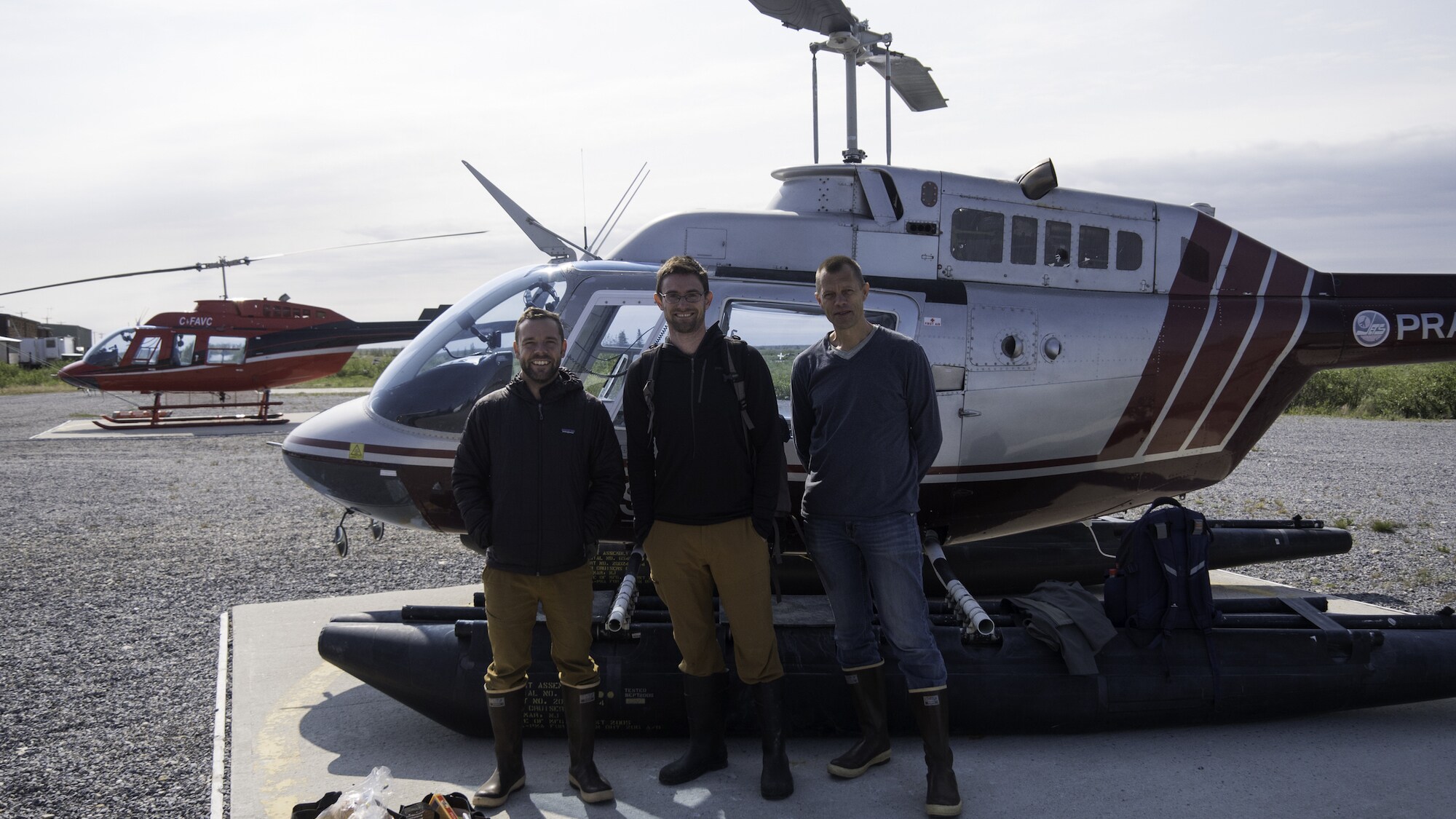
7 of 36From left to right: Directors of Photography Hayes Baxley, Owen Bissell, and Peter Kragh prepare to film belugas in remote West Hudson Bay. (National Geographic for Disney+/Hayes Baxley)
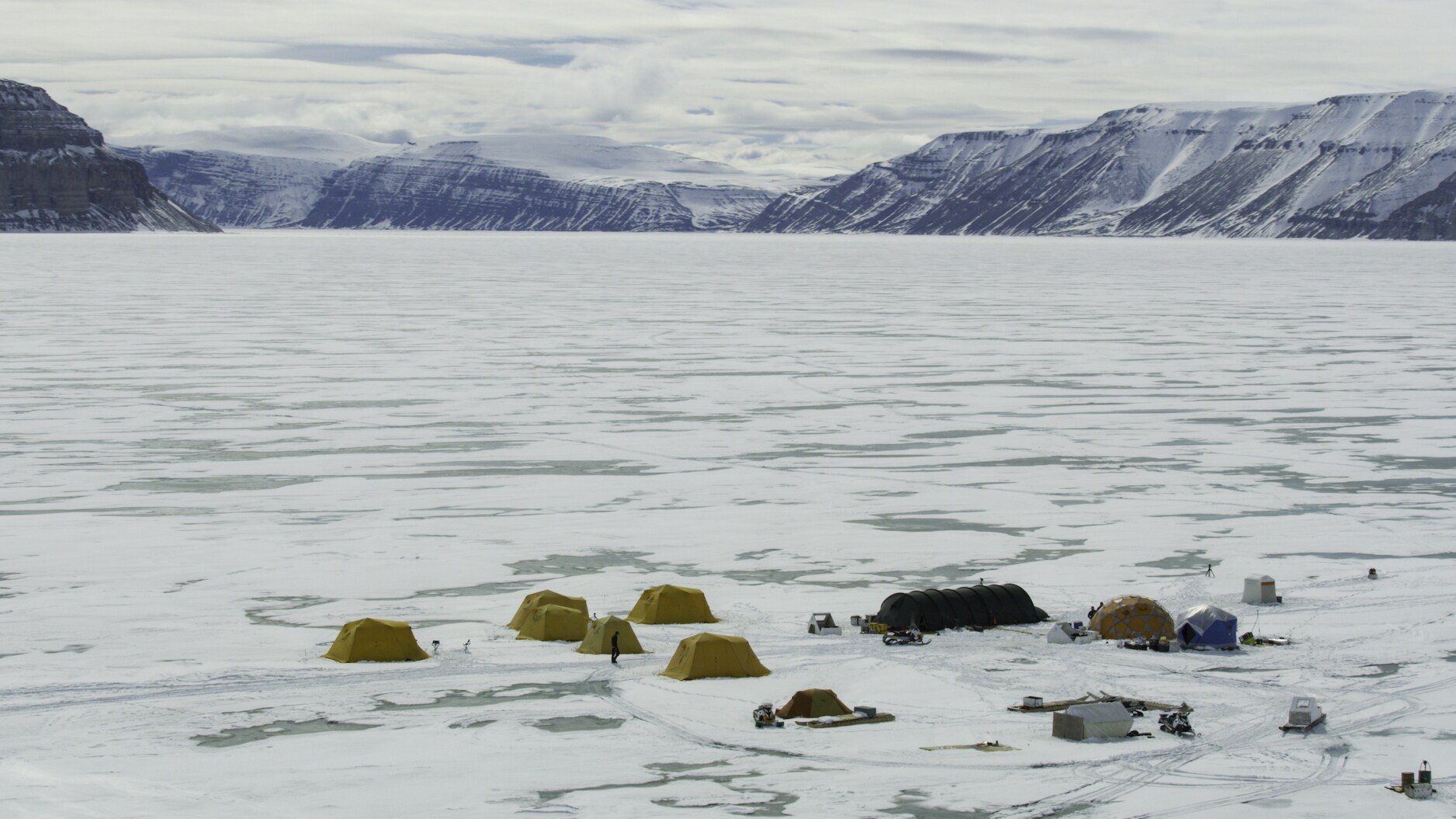
8 of 36The Planet of the Whales film crew camped for nearly thirty days on the Arctic sea ice to film the little experienced lives of narwhals and belugas. (National Geographic for Disney+/Thomas Miller)
9 of 36Aerial cinematographer Thomas Miller films elusive Arctic whales with a specialty camera stabilizer called a Cineflex. (National Geographic for Disney+/Thomas Miller)
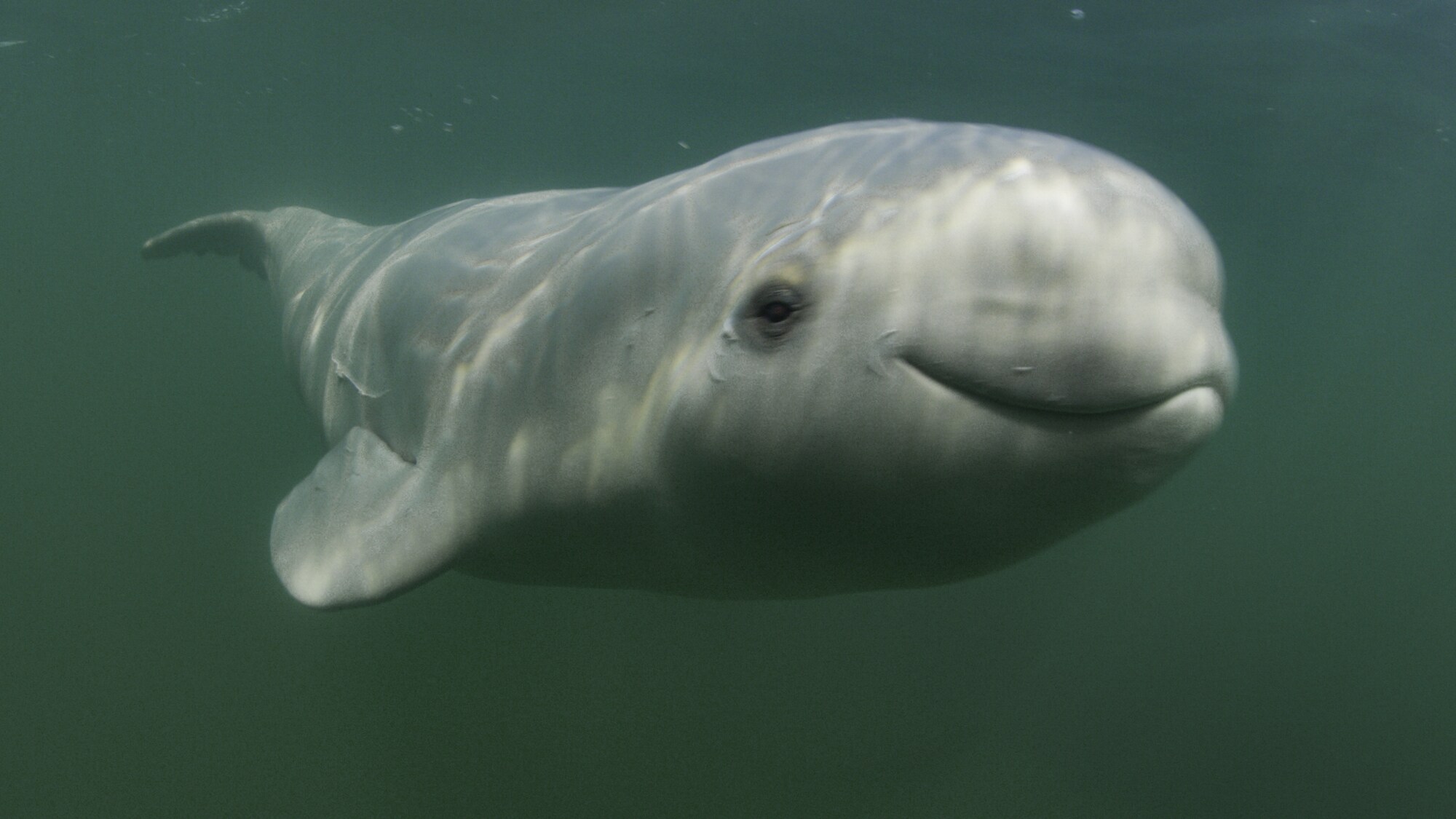
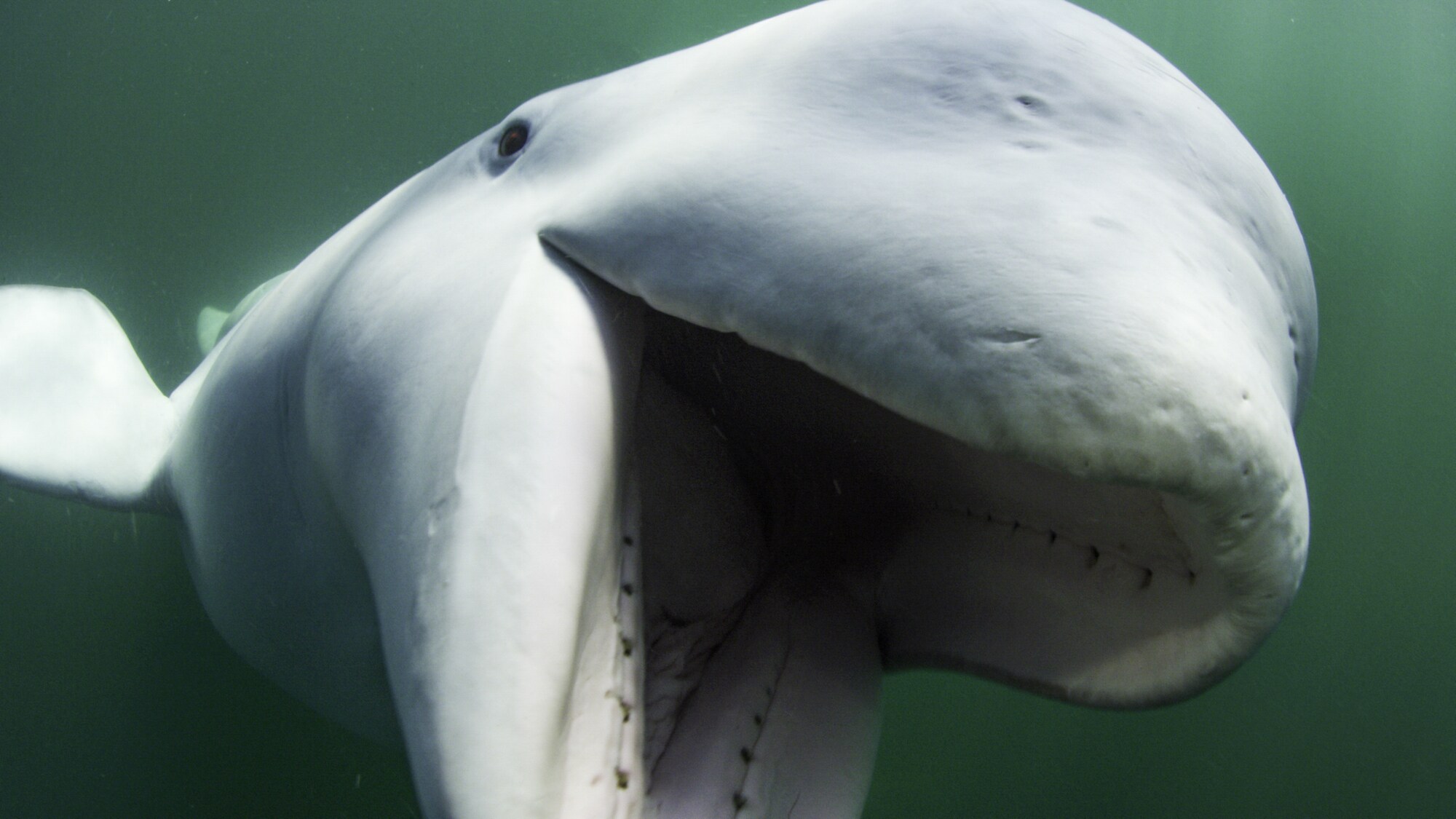
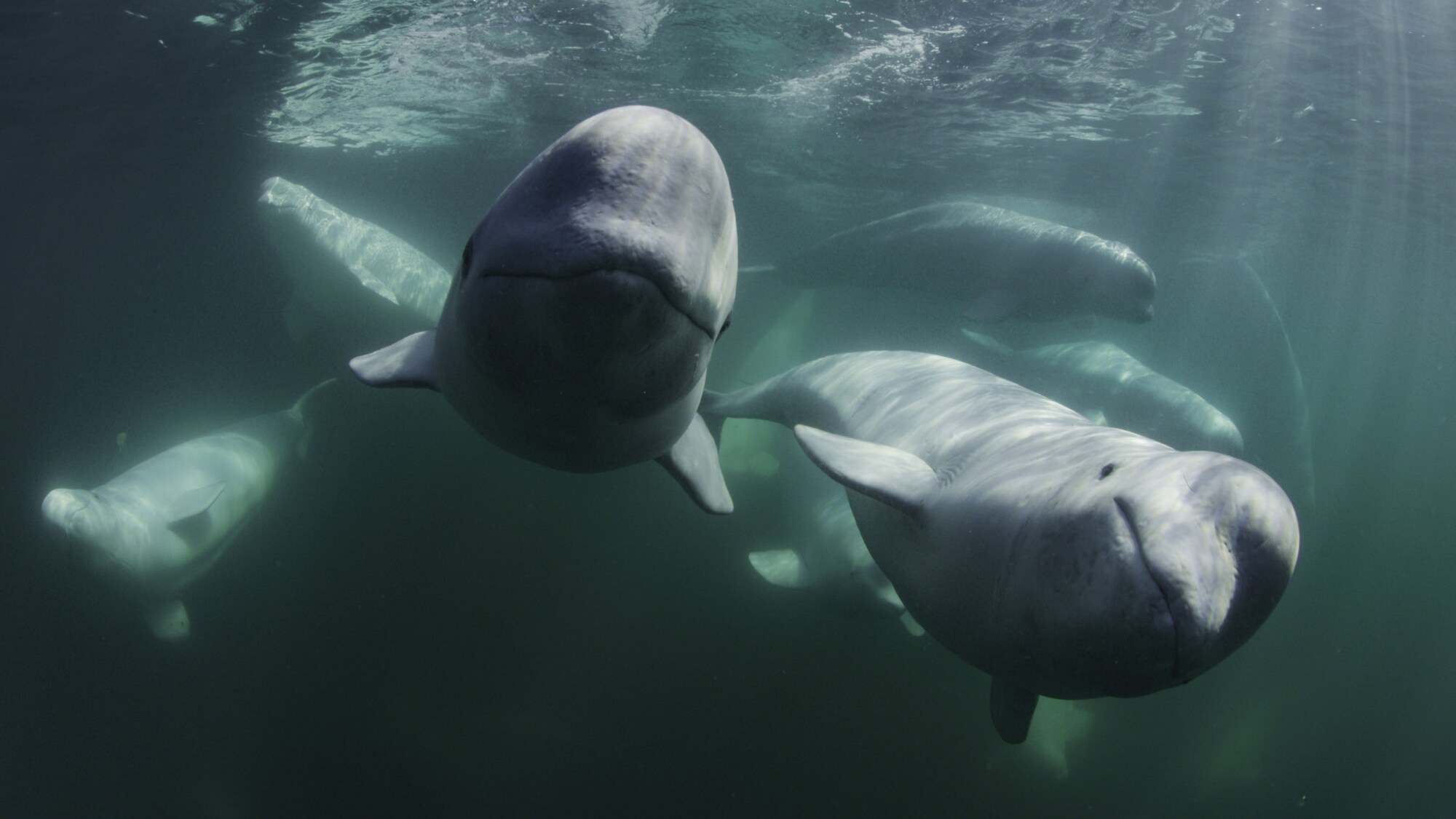
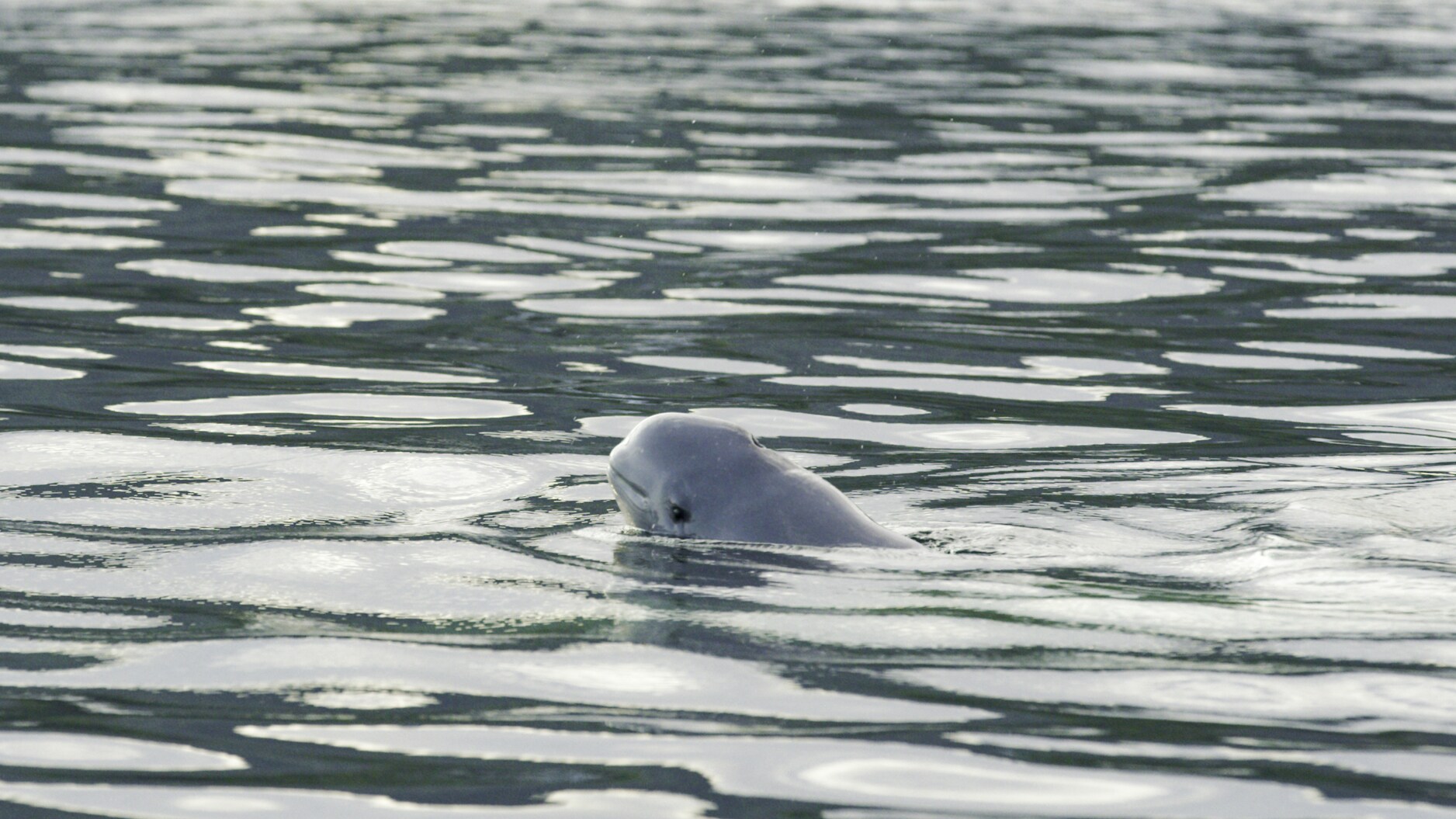
10 of 36A baby beluga smiles at the camera. Belugas are the only whale that can use their lips to form different shapes to communicate. (National Geographic for Disney+/Peter Kragh)
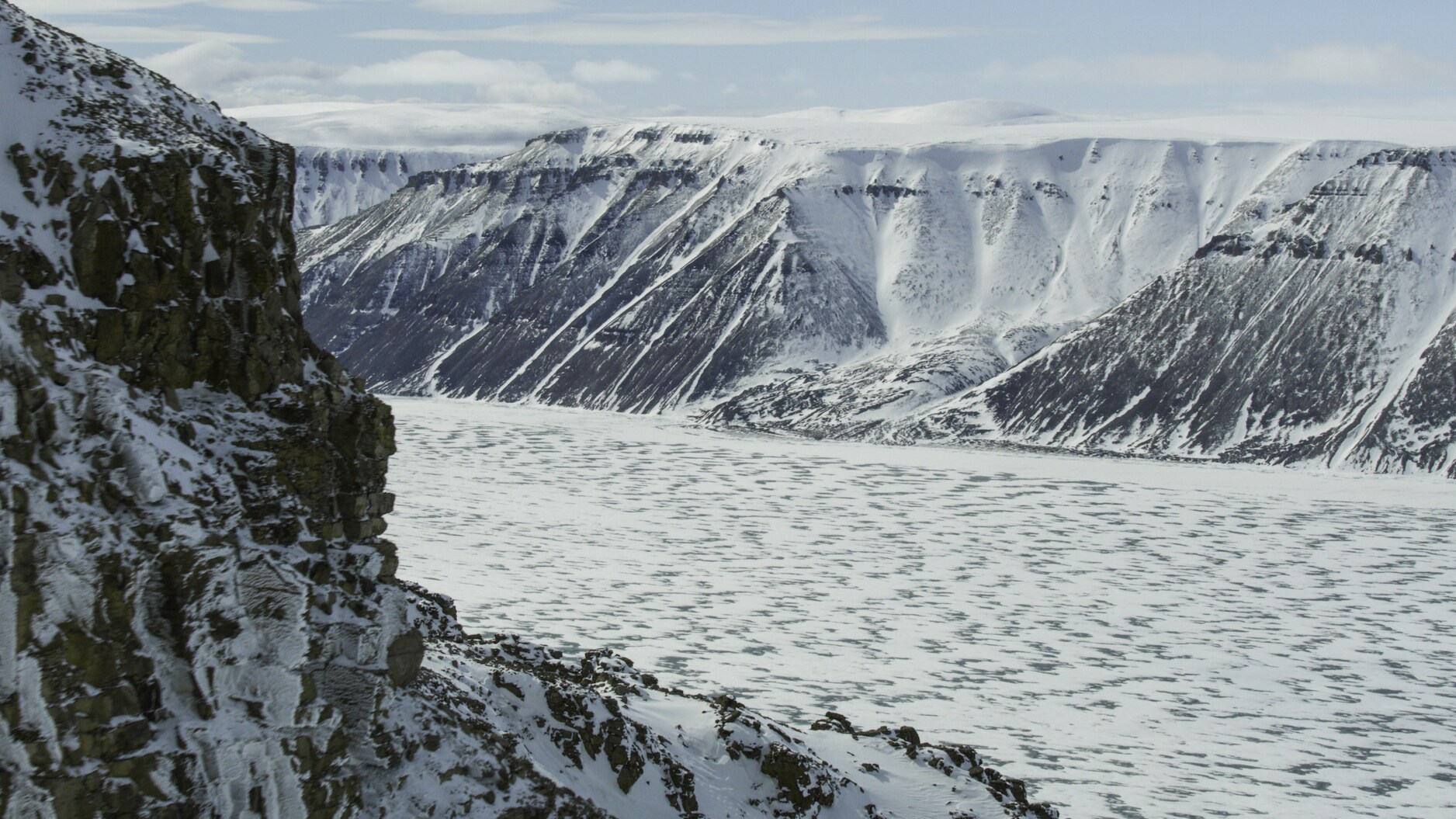
11 of 36The inlets along the islands of the Canadian Arctic are important summering grounds for belugas and narwhals. Some travel almost a thousand miles from the west coast of Greenland to reach here. (National Geographic for Disney+/Thomas Miller)
12 of 36The inlets along the islands of the Canadian Arctic are important summering grounds for belugas and narwhals. Some travel almost a thousand miles from the west coast of Greenland to reach here. (National Geographic for Disney+/Thomas Miller)
13 of 36Despite having teeth, belugas do not chew their food. They rip up prey into pieces and swallow them whole. (National Geographic for Disney+/Peter Kragh)
14 of 36Belugas rely on their bio sonar to successfully migrate through hundreds of miles of maze-like ice. (National Geographic for Disney+/Thomas Miller)
15 of 36A beluga's special forehead is called a "melon." It changes shape and orientation and may help them direct their bio sonar. (National Geographic for Disney+/Peter Kragh)
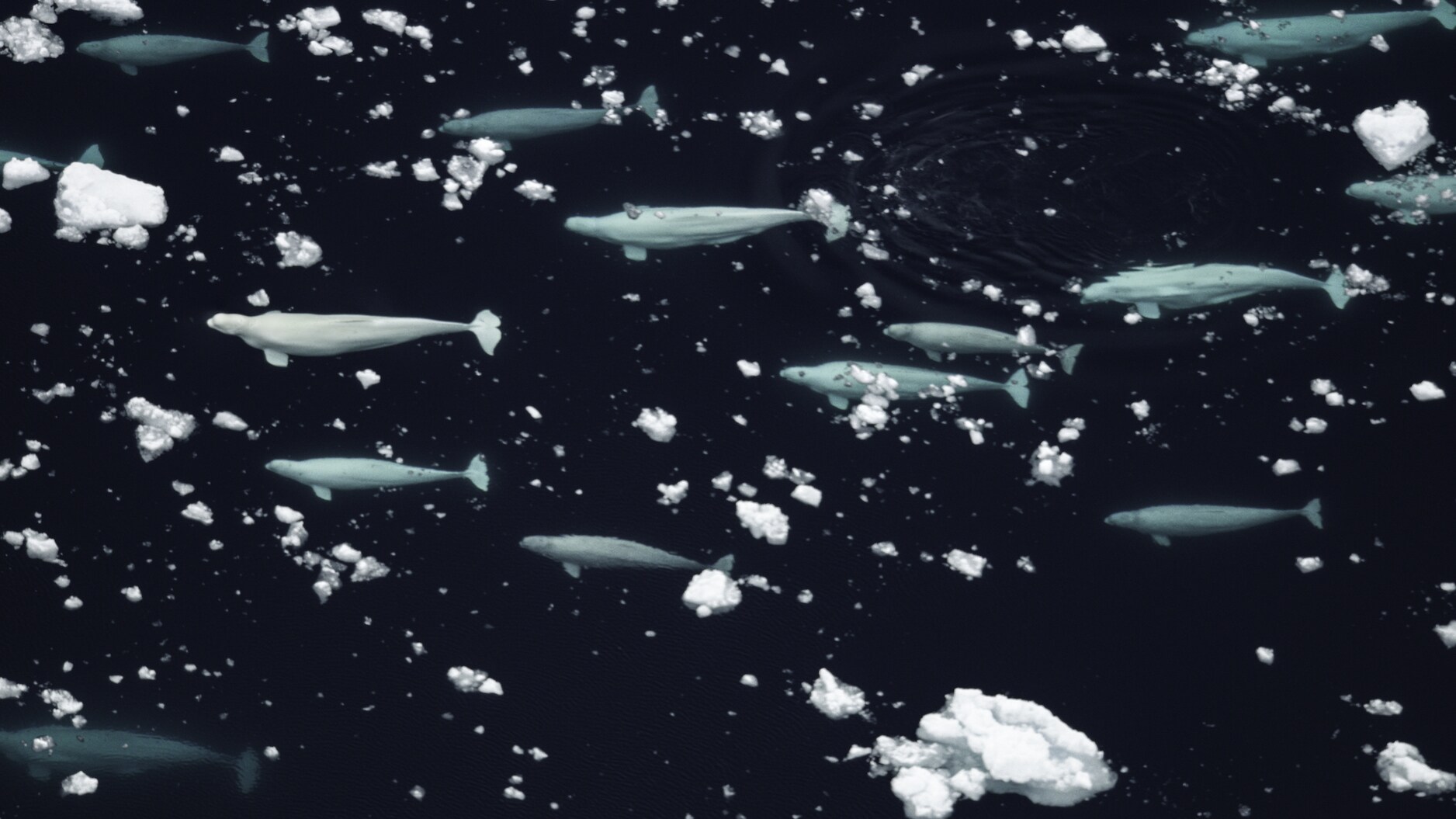
16 of 36Belugas pods are usually small - less than 25 individuals. During migration, these smaller groups join together to form herds of thousands of animals. (National Geographic for Disney+/Thomas Miller)
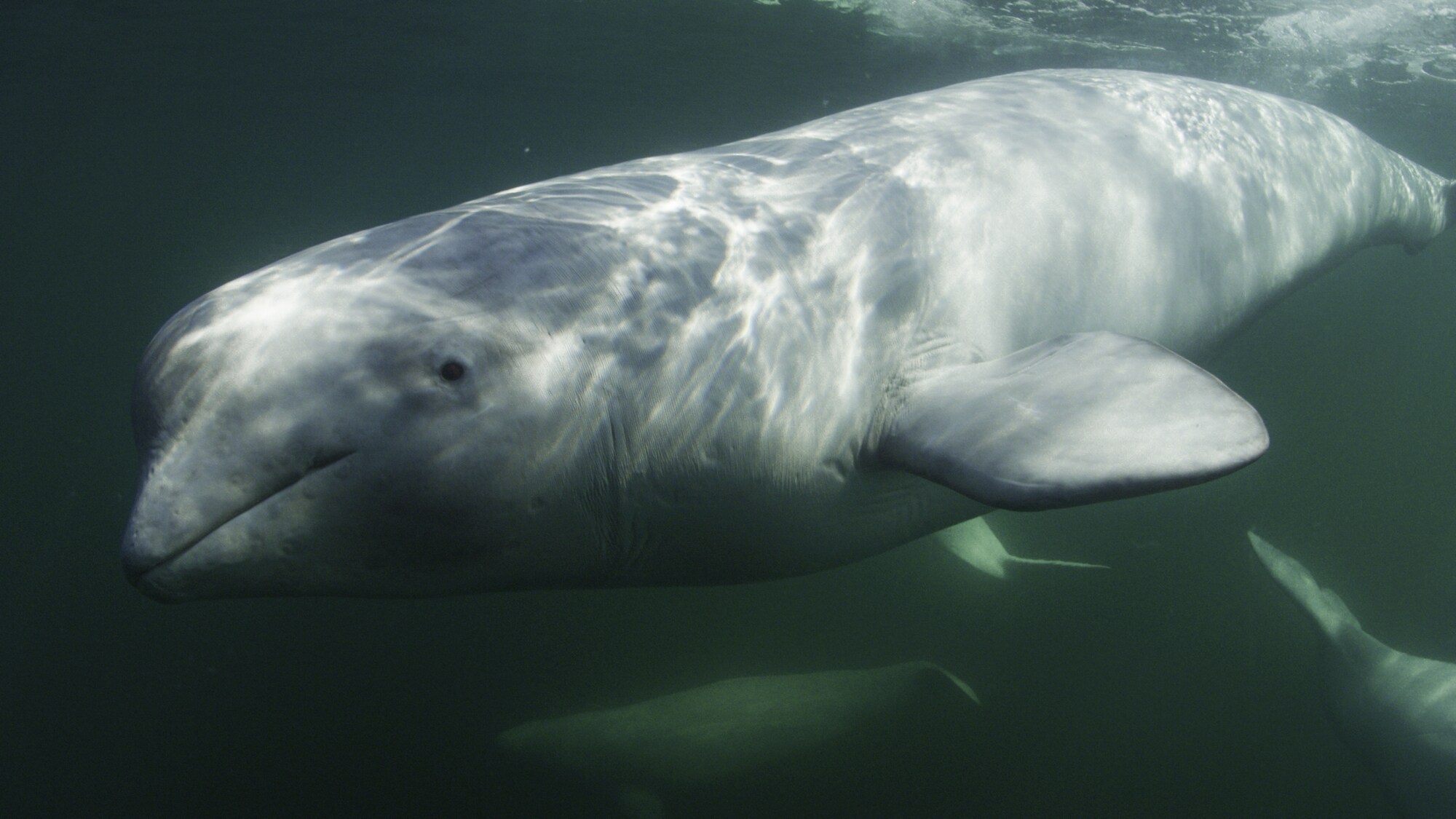
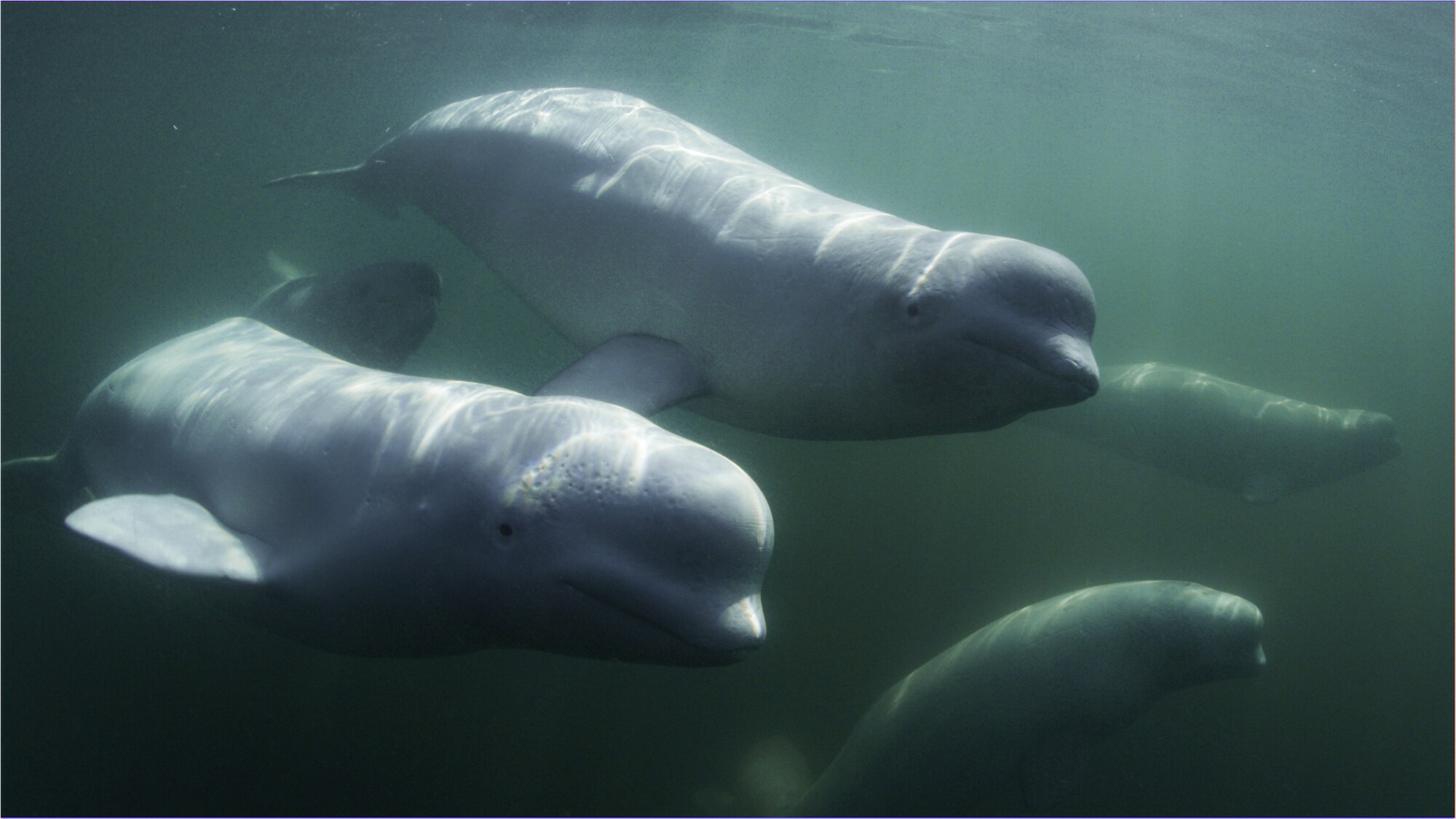
17 of 36Belugas are extremely social and have been nicknamed the "canary of the sea" because of their rich and varied vocal range. (National Geographic for Disney+/Peter Kragh)
18 of 36Belugas are extremely social and have been nicknamed the "canary of the sea" because of their rich and varied vocal range. (National Geographic for Disney+/Peter Kragh)
19 of 36Beluga whales thrive in the Arctic, but they are threatened by polar bears, killer whales, and now, us, as melting sea ice opens new shipping opportunities in the far north. (National Geographic for Disney+/Alexander Sletten)
20 of 36National Geographic photographer Brain Skerry uncovers a beluga nursery on remote Somerset Island. (National Geographic for Disney+/Alexander Sletten)
21 of 36National Geographic photographer Brain Skerry uncovers a beluga nursery on remote Somerset Island. (National Geographic for Disney+/Alexander Sletten)
22 of 36Belugas seek out river mouths during their summer migration in West Hudson Bay. The warmer freshwater may help newborns that don't yet have layers of insulating fat for swimming in the cold. (National Geographic for Disney+/Hayes Baxley)
23 of 36Belugas are made for the Arctic: they lack dorsal fins, which allows them to swim under sea ice. This serves as a form of protection from predators with massive dorsals, like killer whales. (National Geographic for Disney+/Thomas Miller)
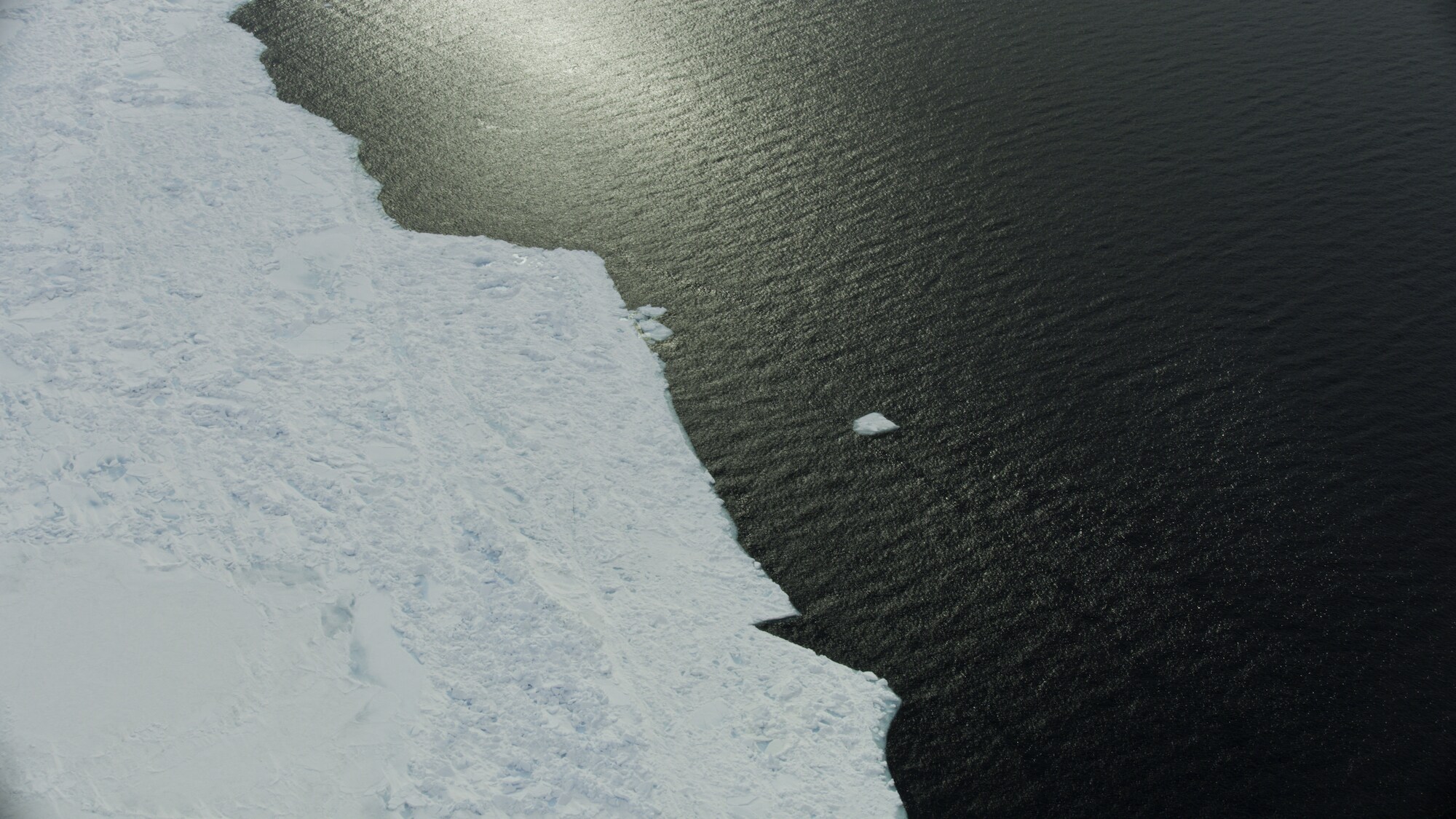
24 of 36The floe edge, or "Sinaaq" in Inuktitut, is where open water meets the ice still attached to the shoreline. (National Geographic for Disney+/Thomas Miller)
25 of 36Biologist Robert Michaud has devoted his career to studying the beluga whales of Quebec's St. Lawrence River. (National Geographic for Disney+/Ben Hamilton)
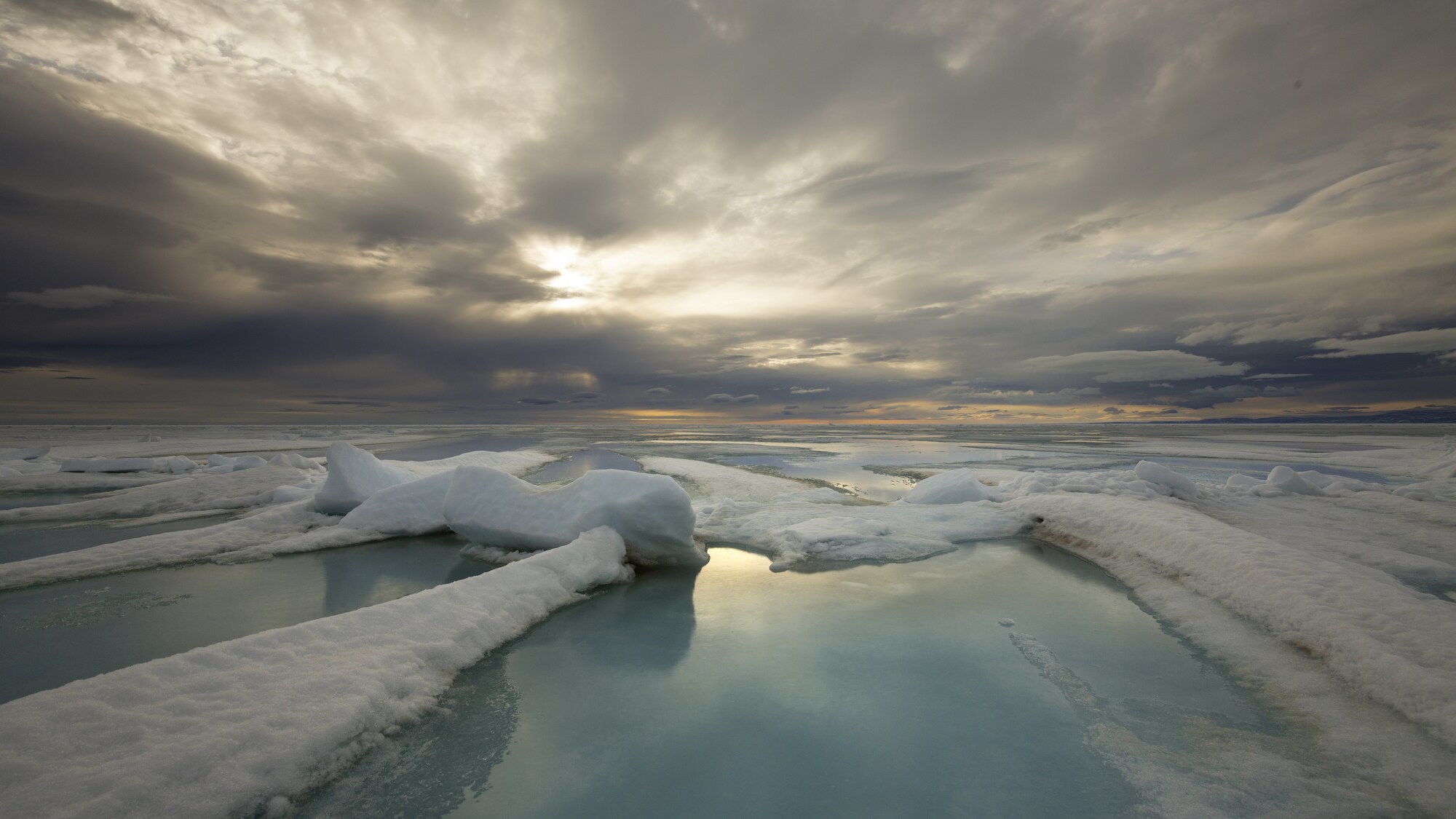
26 of 36Summer transforms the Arctic landscape. The ice is constantly breaking, colliding, and contracting under the strength of a 24-hour sun. (National Geographic for Disney+/Ernie Kovacs)
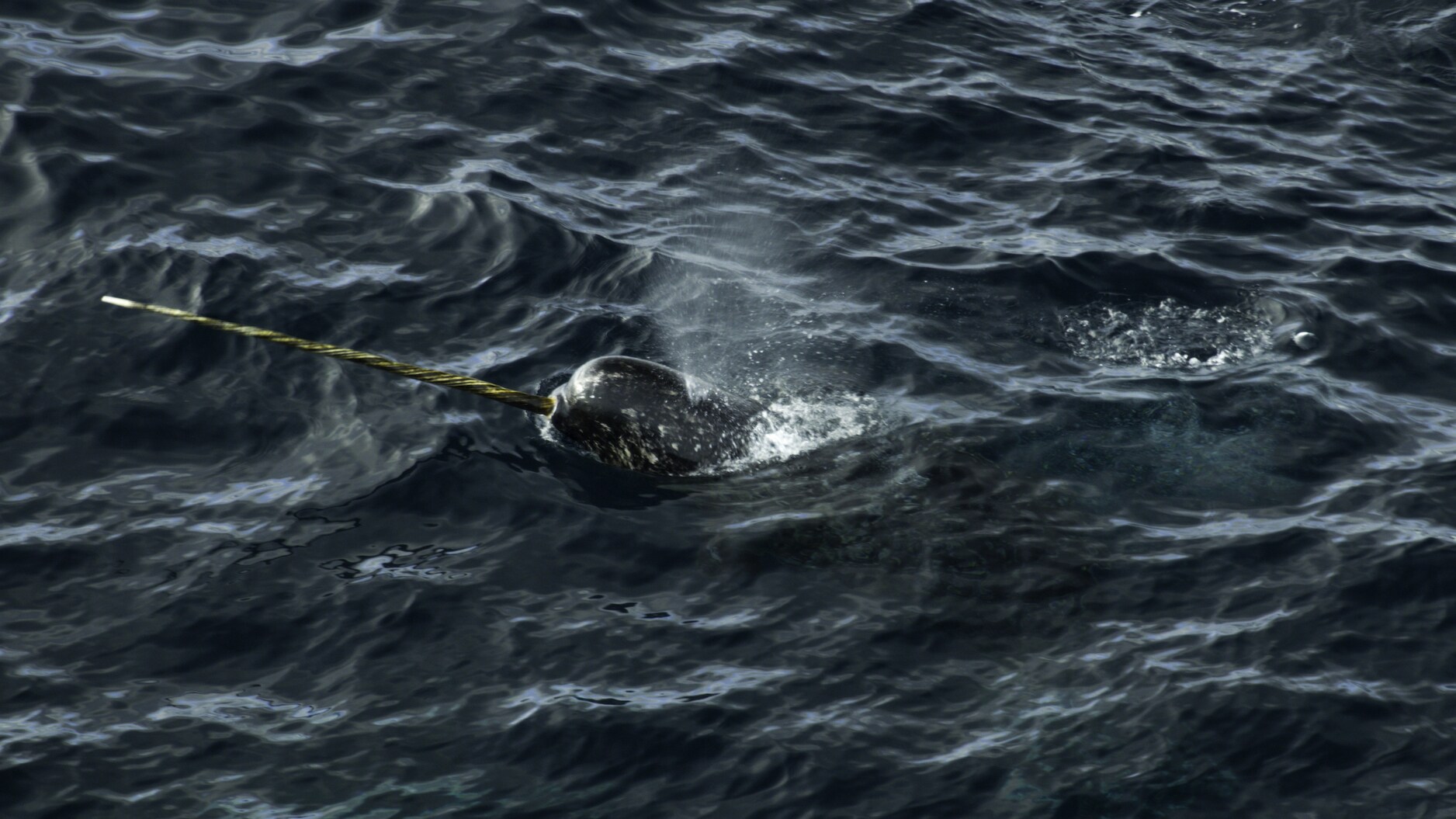
27 of 36A narwhal's tusk is a long, hollow tooth that usually only develops in males. Its full function is still a mystery. (National Geographic for Disney+/Thomas Miller)
28 of 36Belugas are born dark grey. Their skin lightens with age and is white by the time they reach sexual maturity. (National Geographic for Disney+/Michael Dinsmore)
29 of 36Belugas possess sensitive sonar for detecting their surroundings. Polar bears set ambushes by climbing out of the water, and waiting for a whale to come within lunging distance. (National Geographic for Disney+/Hayex Baxley)
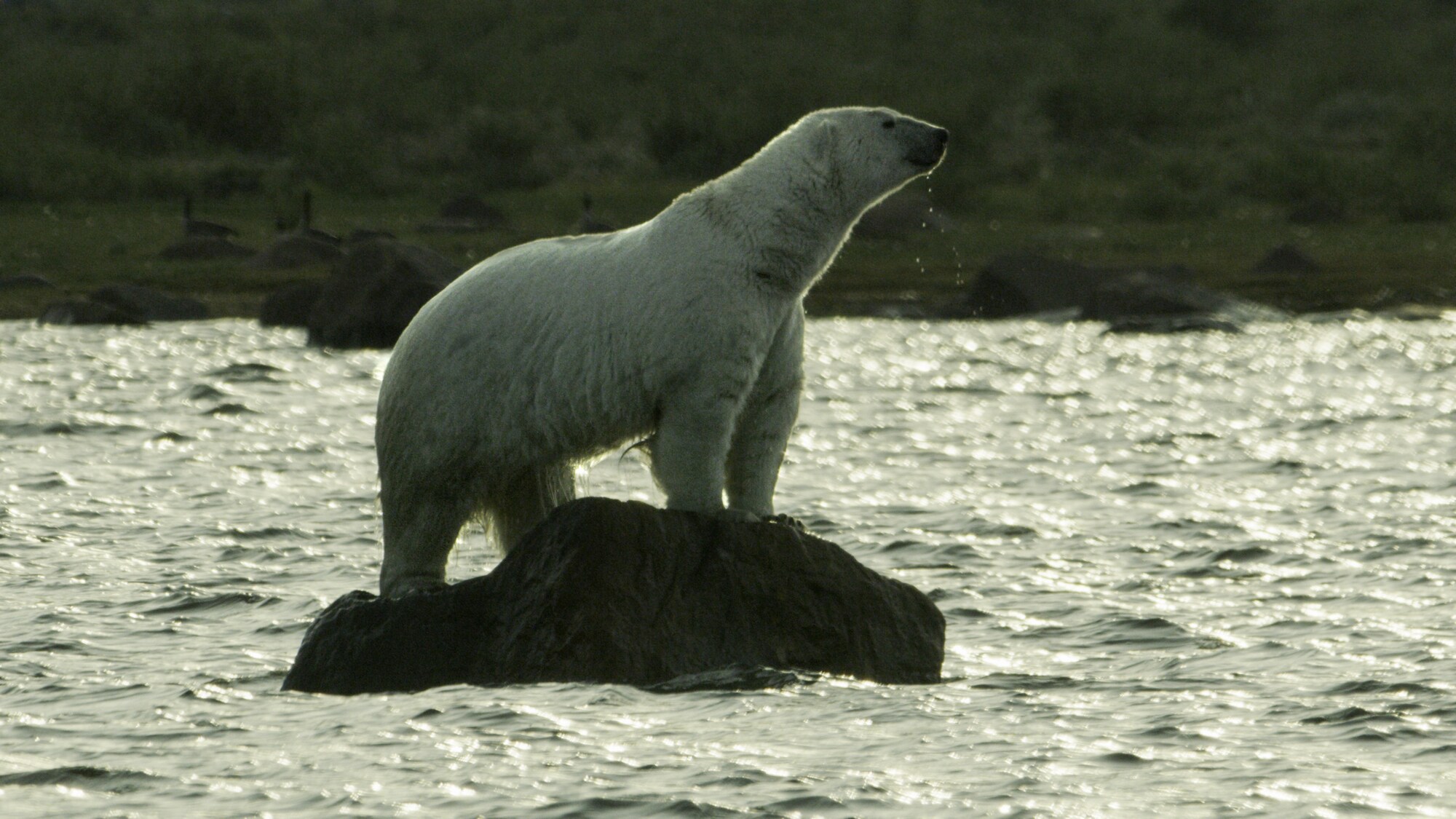
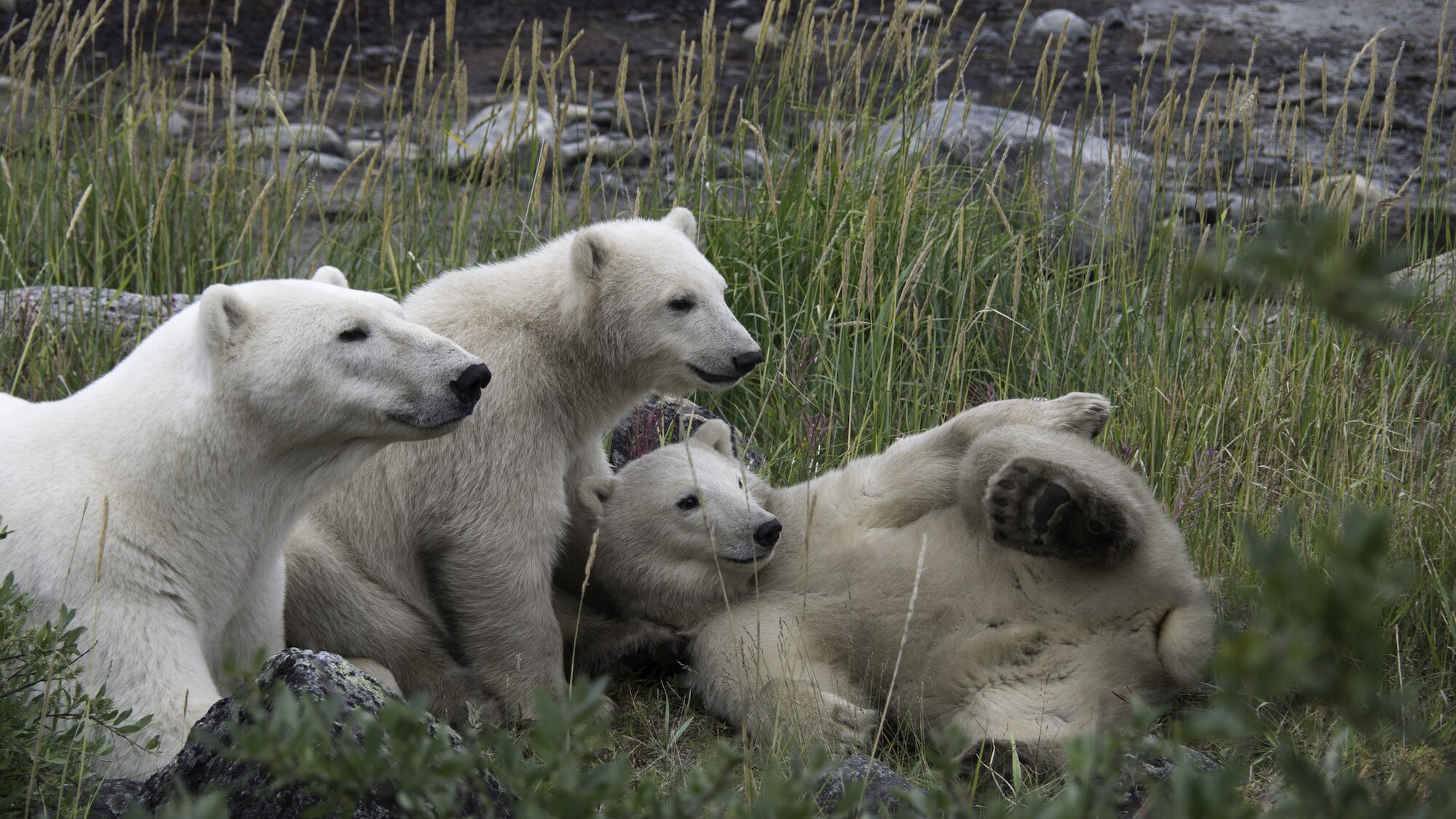
30 of 36Polar bears share the summering areas with beluga whales and pose a near-constant threat. (National Geographic for Disney+/Hayes Baxley)
31 of 36Polar bears share the summering areas with beluga whales and pose a near-constant threat. (National Geographic for Disney+/Hayes Baxley)
32 of 36Narwhals and belugas navigate a maze of pathways through the sea ice that can open and close in a matter of hours. On the surface, pressure ridges form when ice floes smash together - creating a new landscape overnight. (National Geographic for Disney+/Sam LeGrys)
33 of 36Narwhals and belugas navigate a maze of pathways through the sea ice that can open and close in a matter of hours. On the surface, pressure ridges form when ice floes smash together - creating a new landscape overnight. (National Geographic for Disney+/Sam LeGrys)
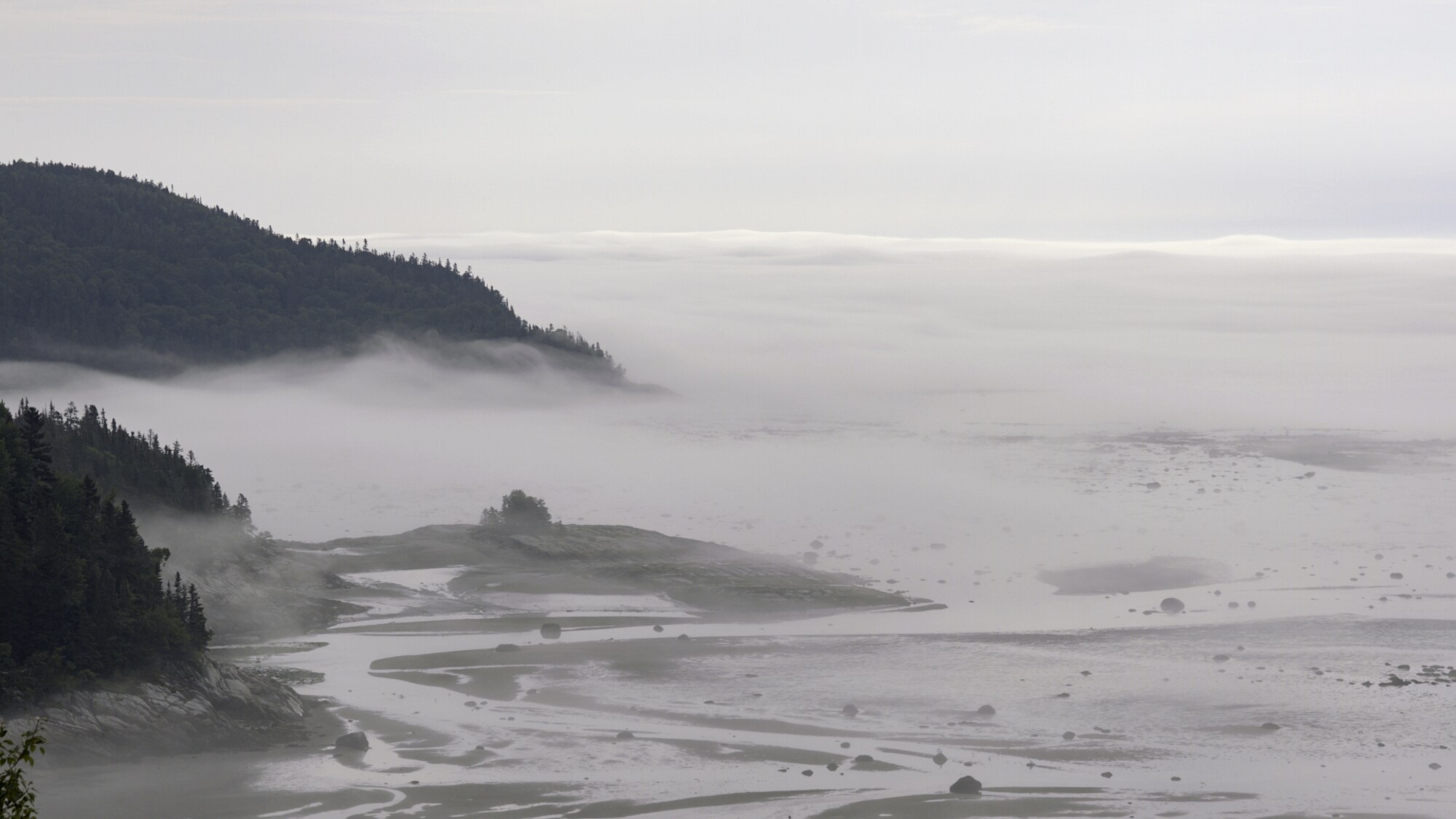
34 of 36The southernmost population of beluga whales’ dwells in the St. Lawrence River, which connects the Great Lakes to the Atlantic Ocean. (National Geographic for Disney+/Ben Hamilton)
35 of 36The high Arctic may look desolate from above, but a vibrant world thrives under the ice. (National Geographic for Disney+/Ernie Kovacs)
36 of 36All images ©Disney. Editorial use only.